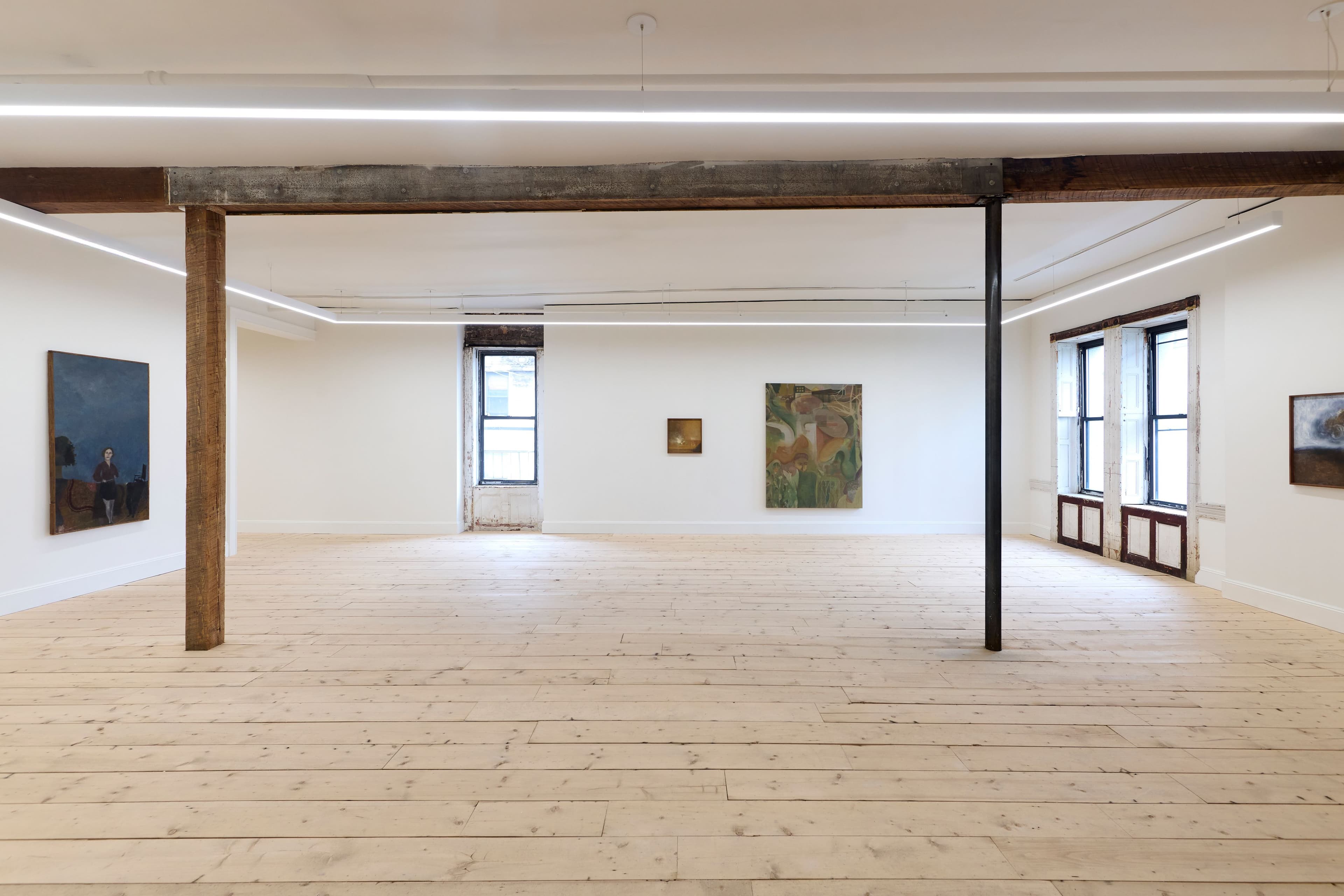
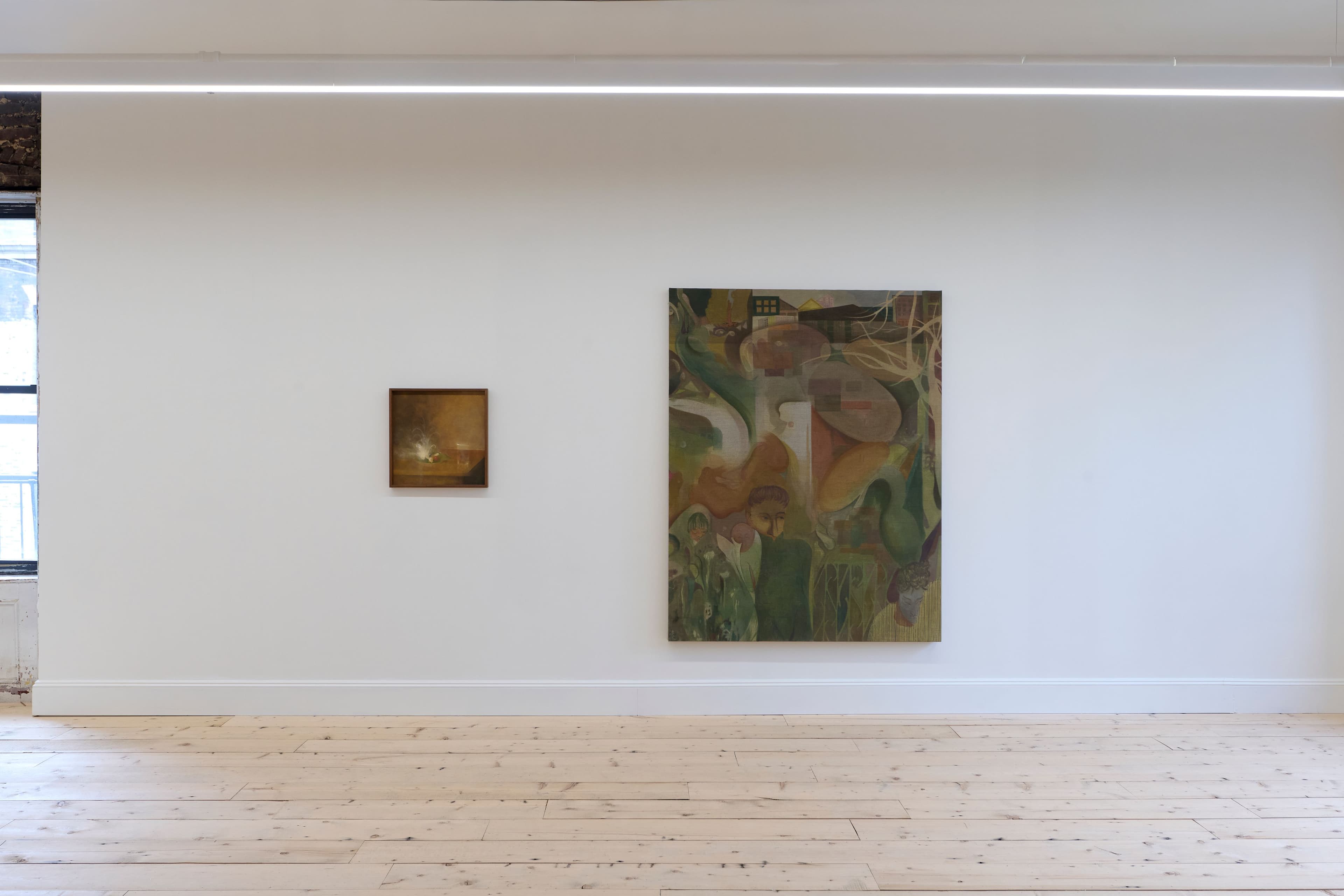
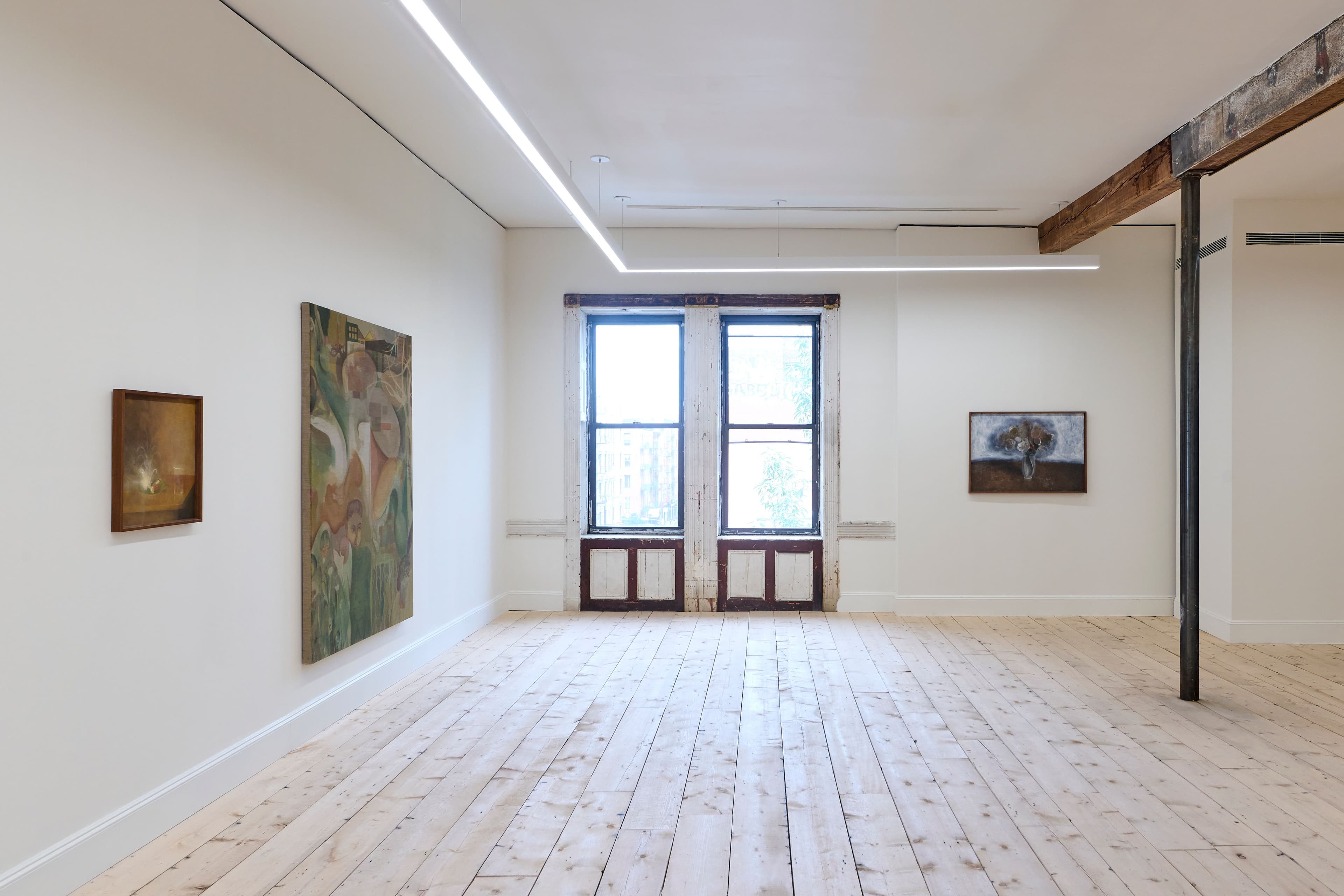
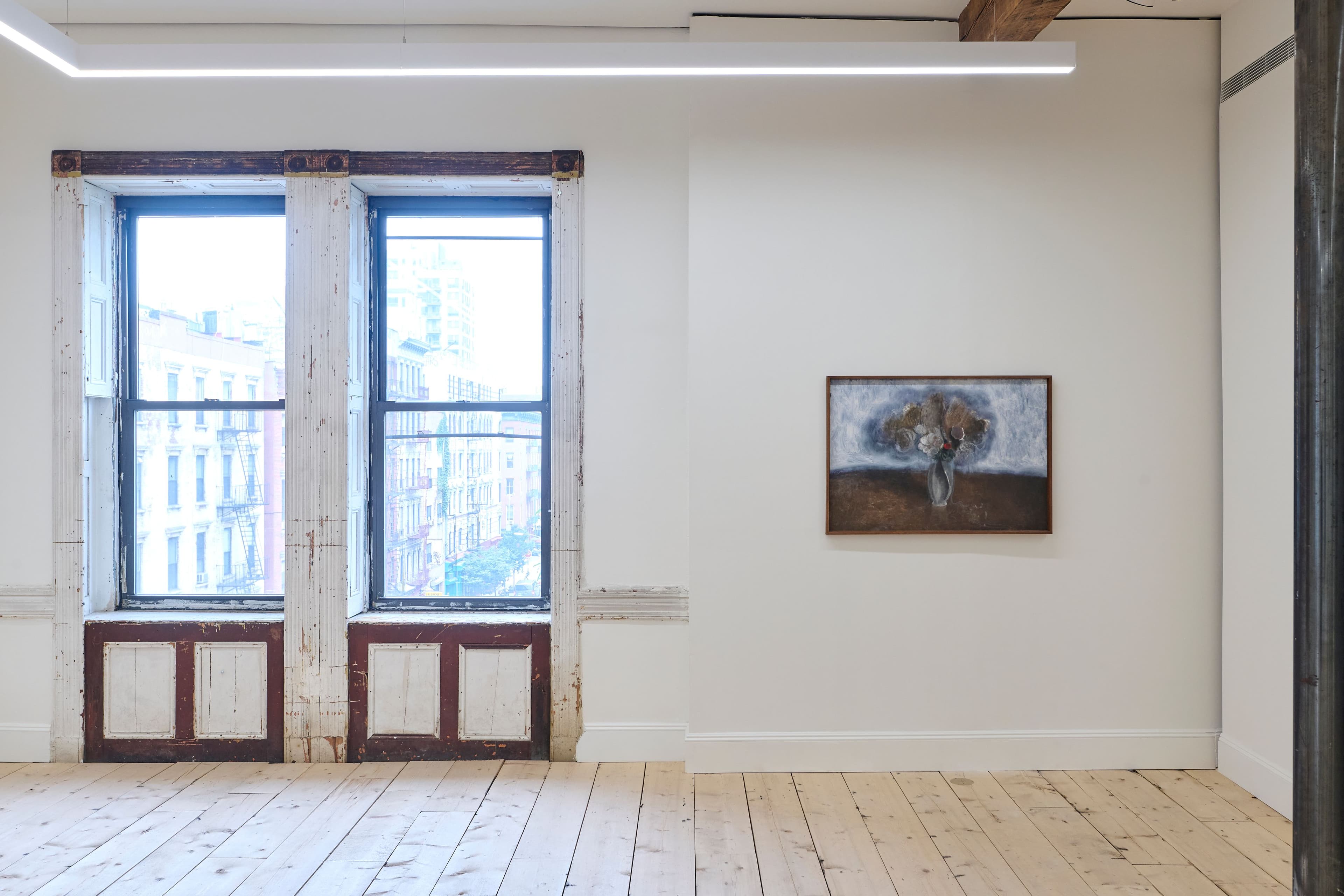
Memento
17 July – 14 August, 2026
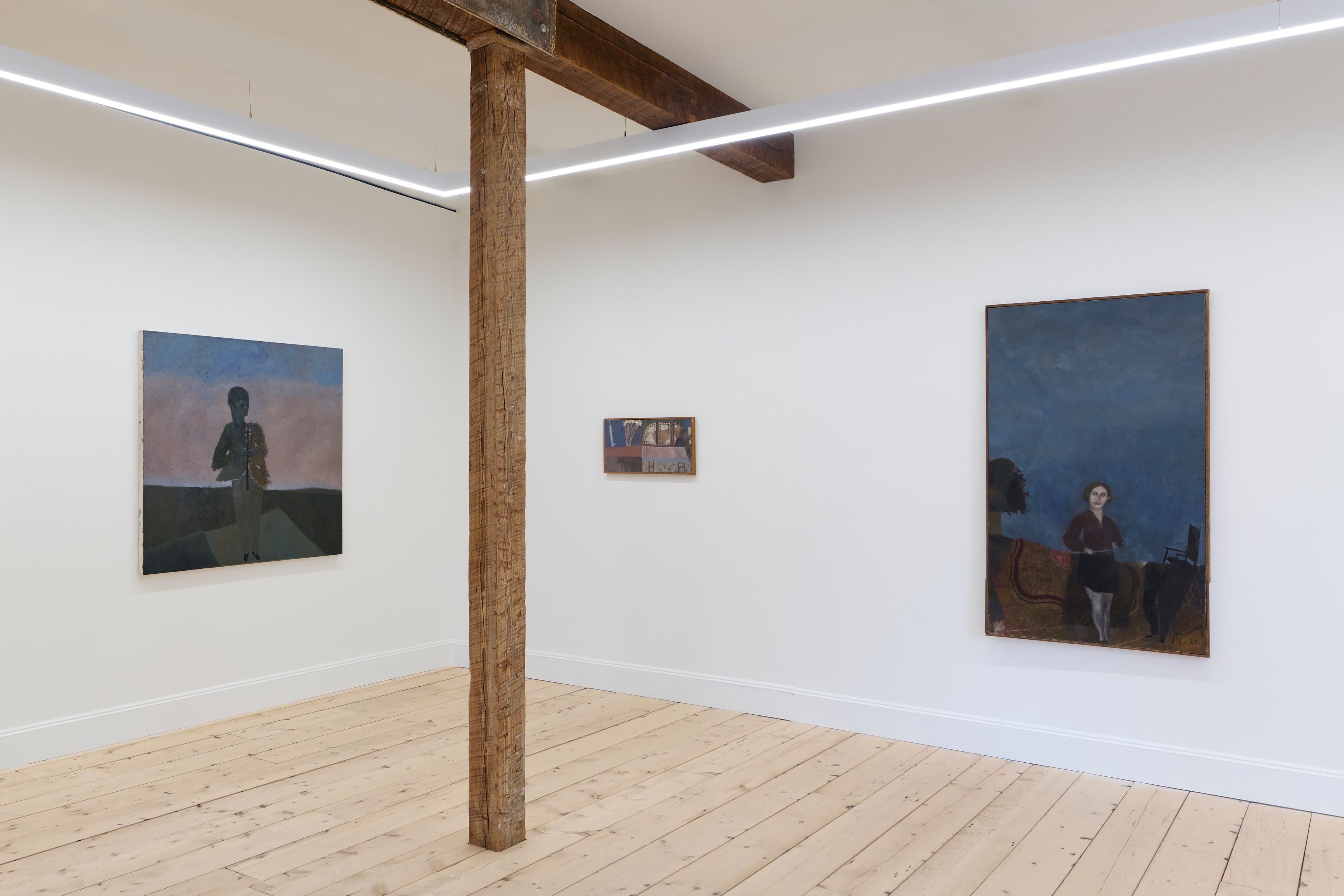
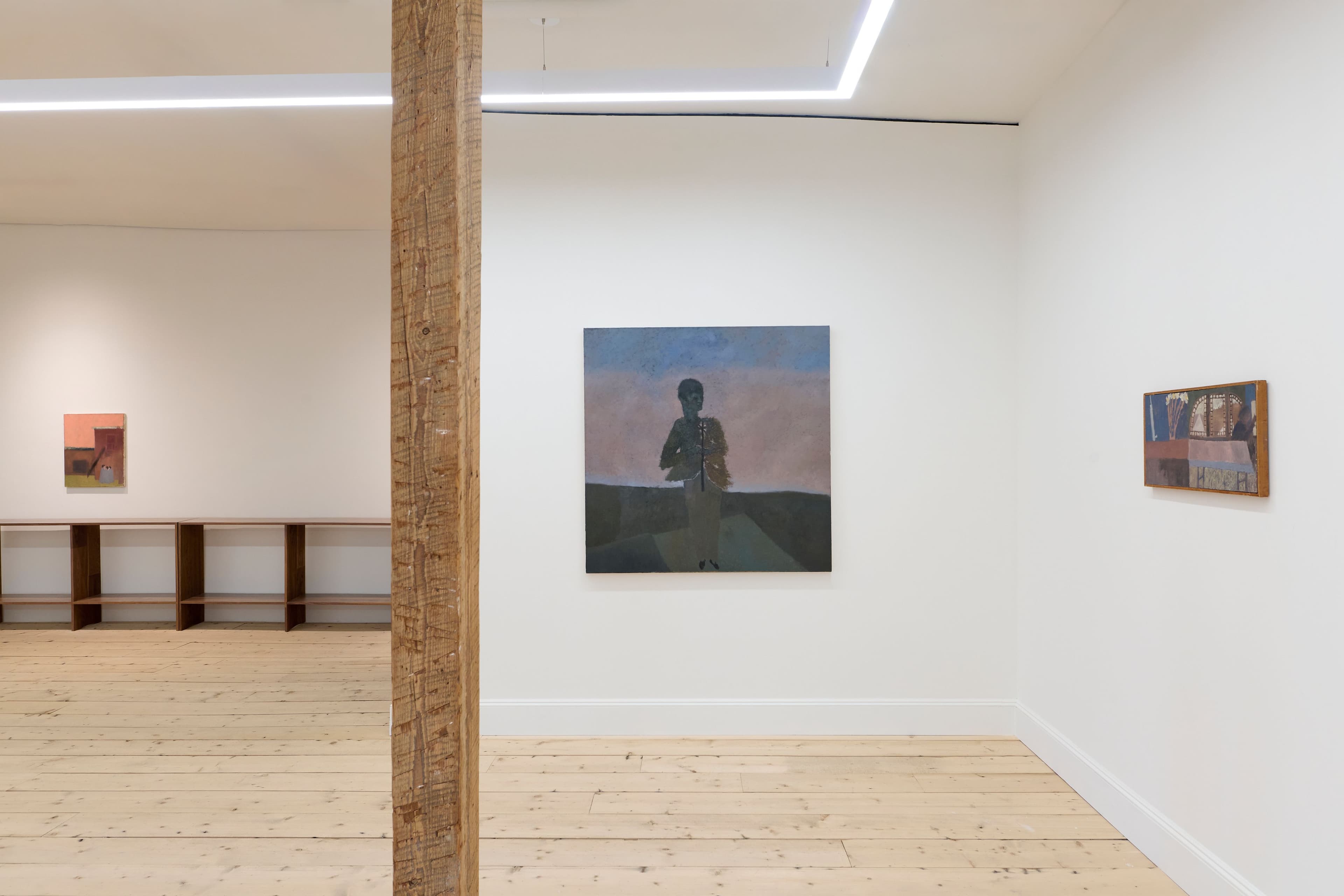
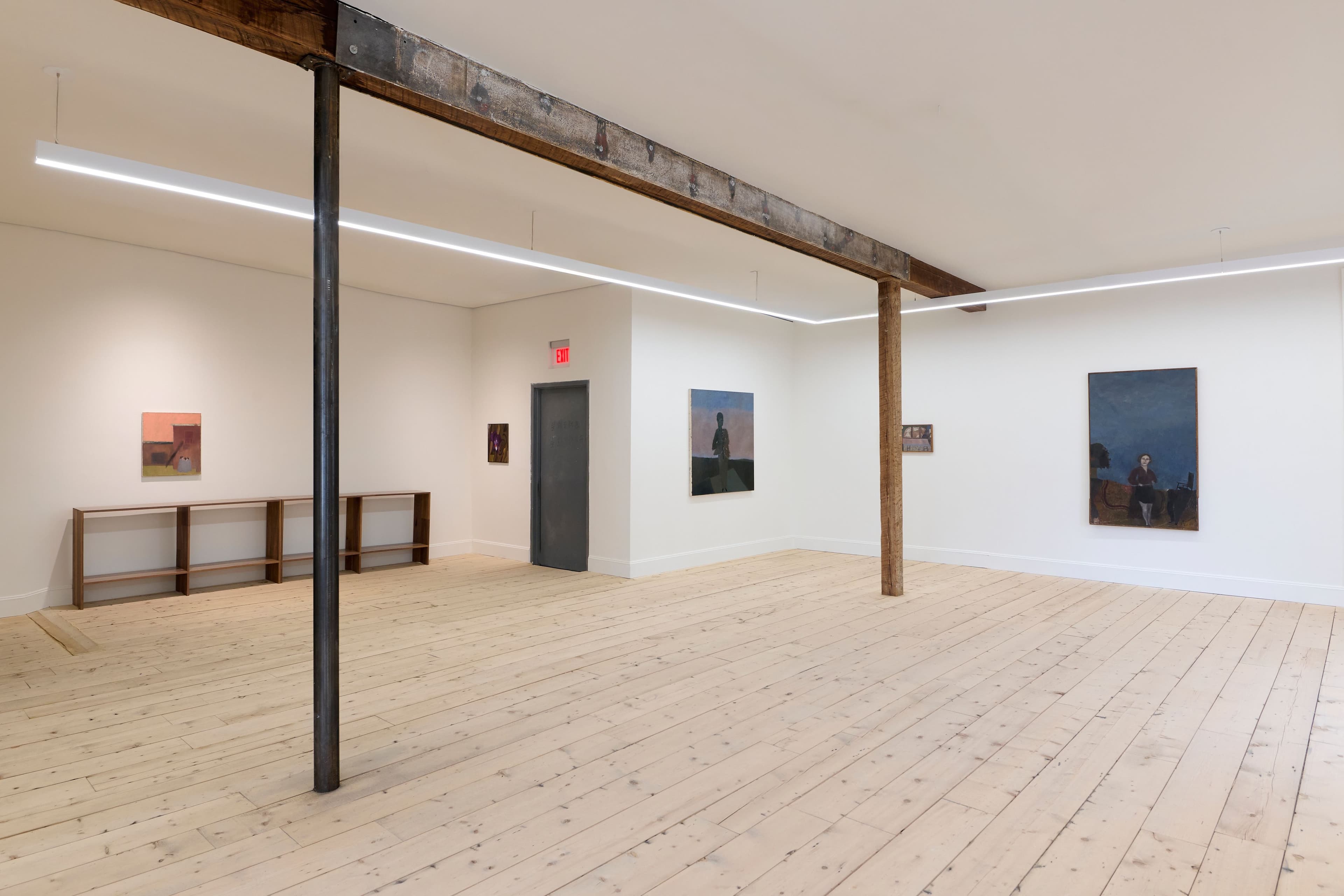
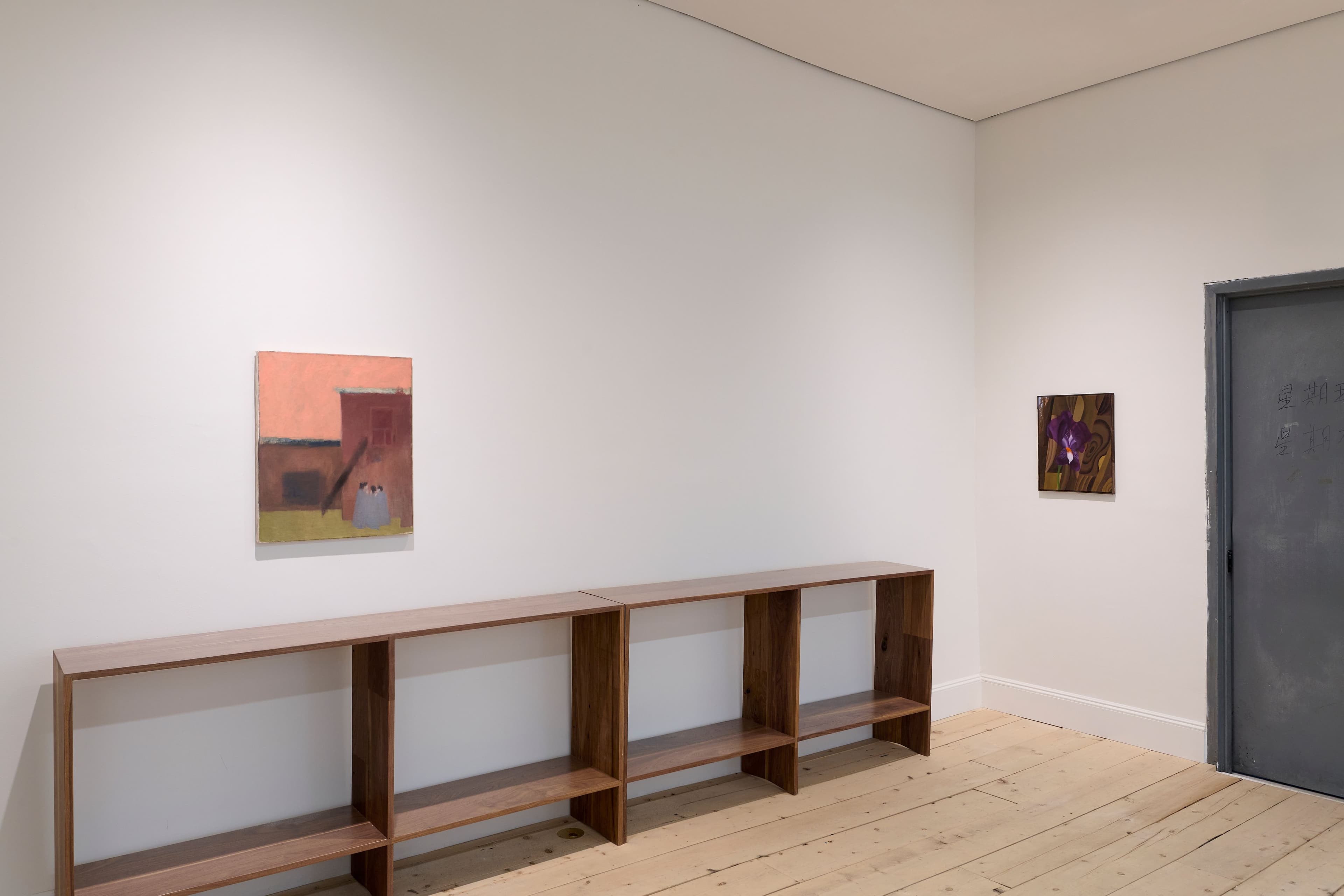
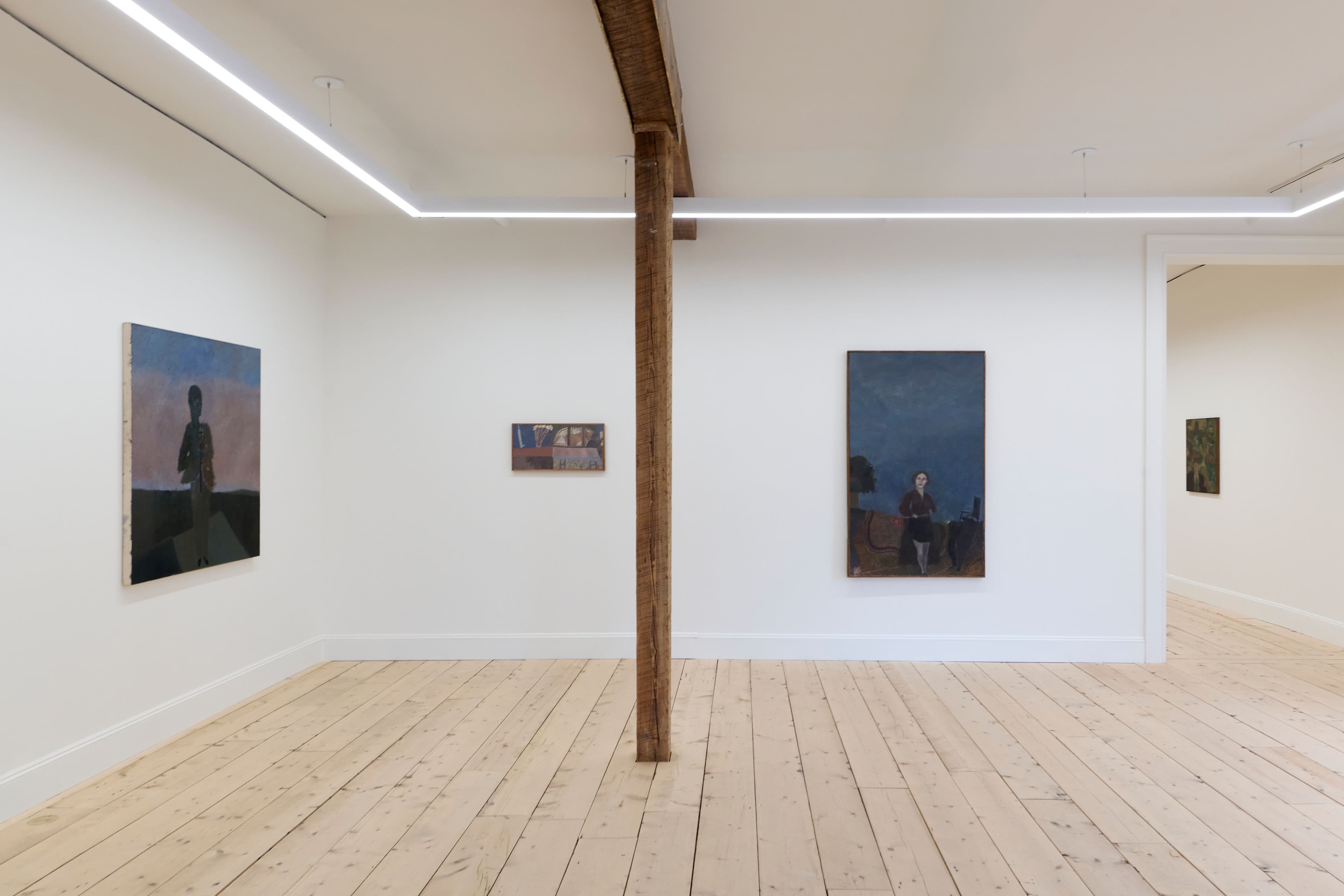
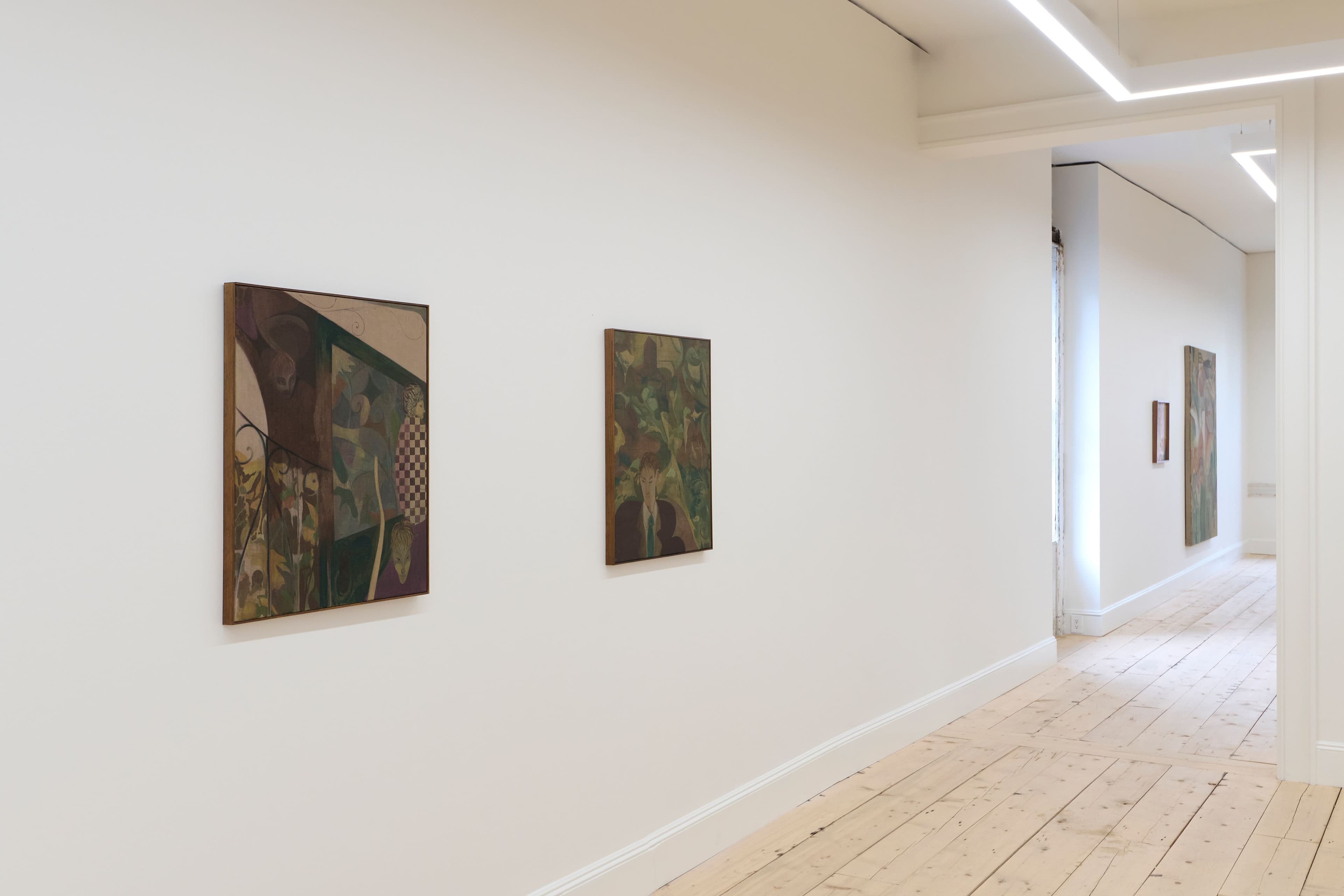
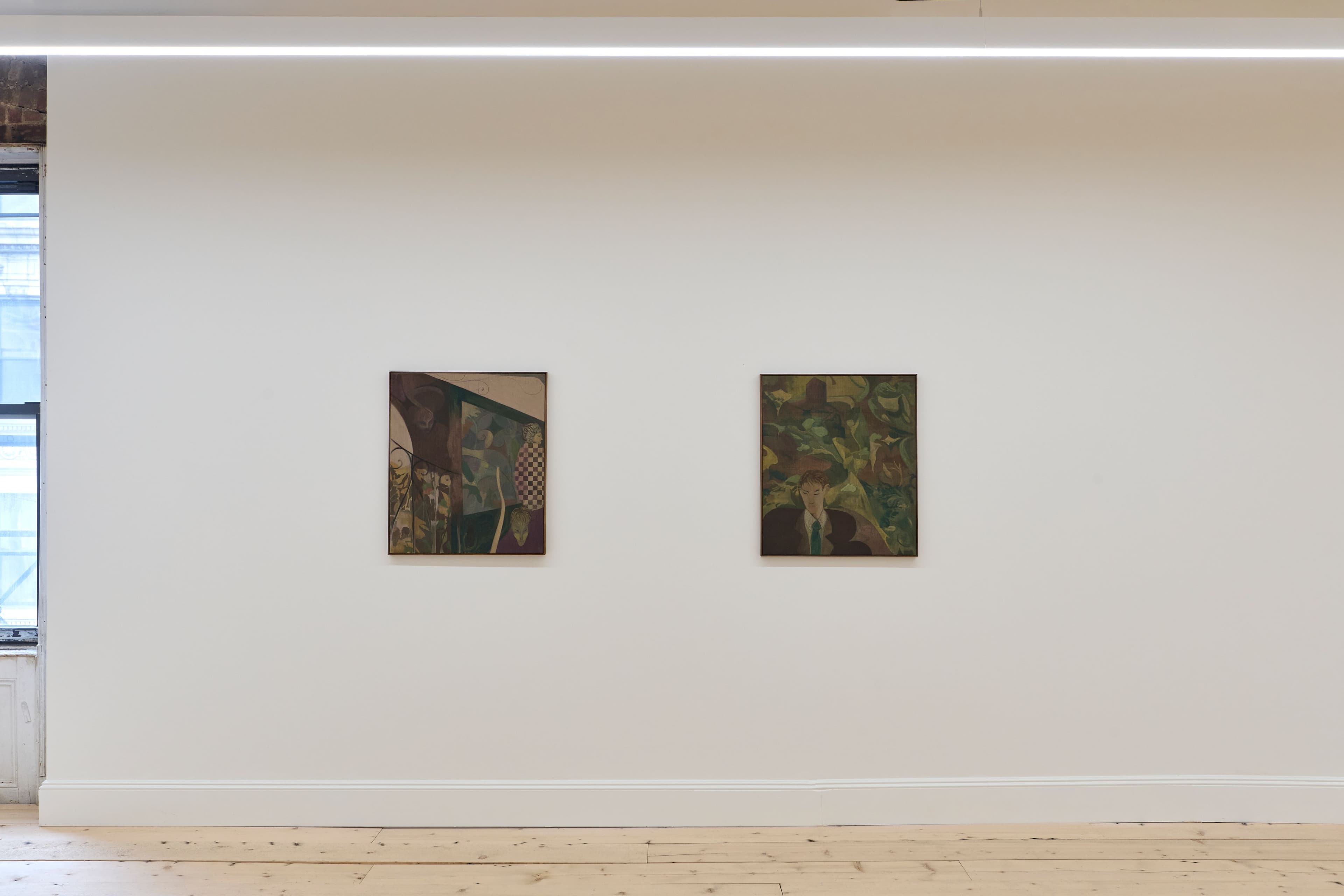
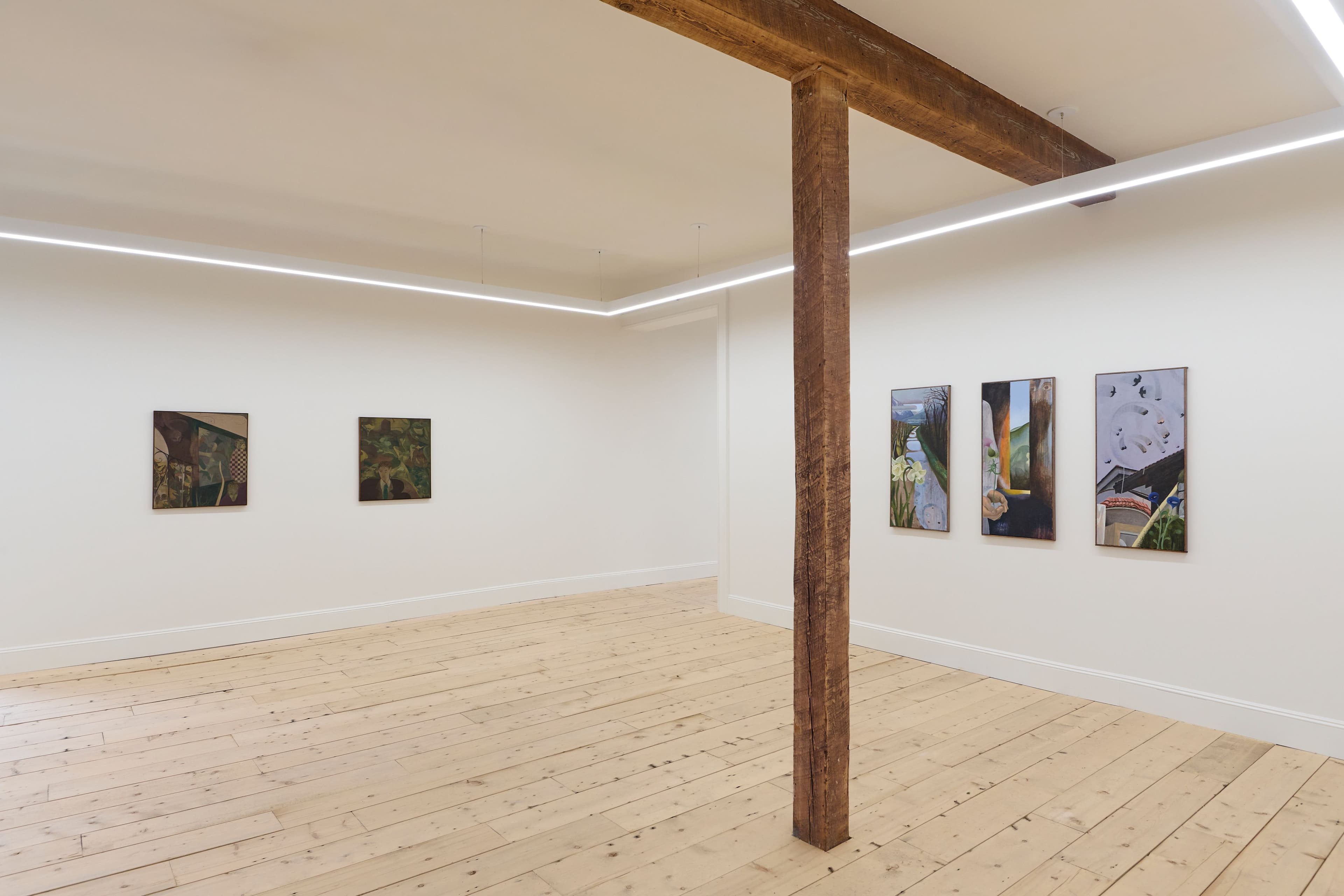
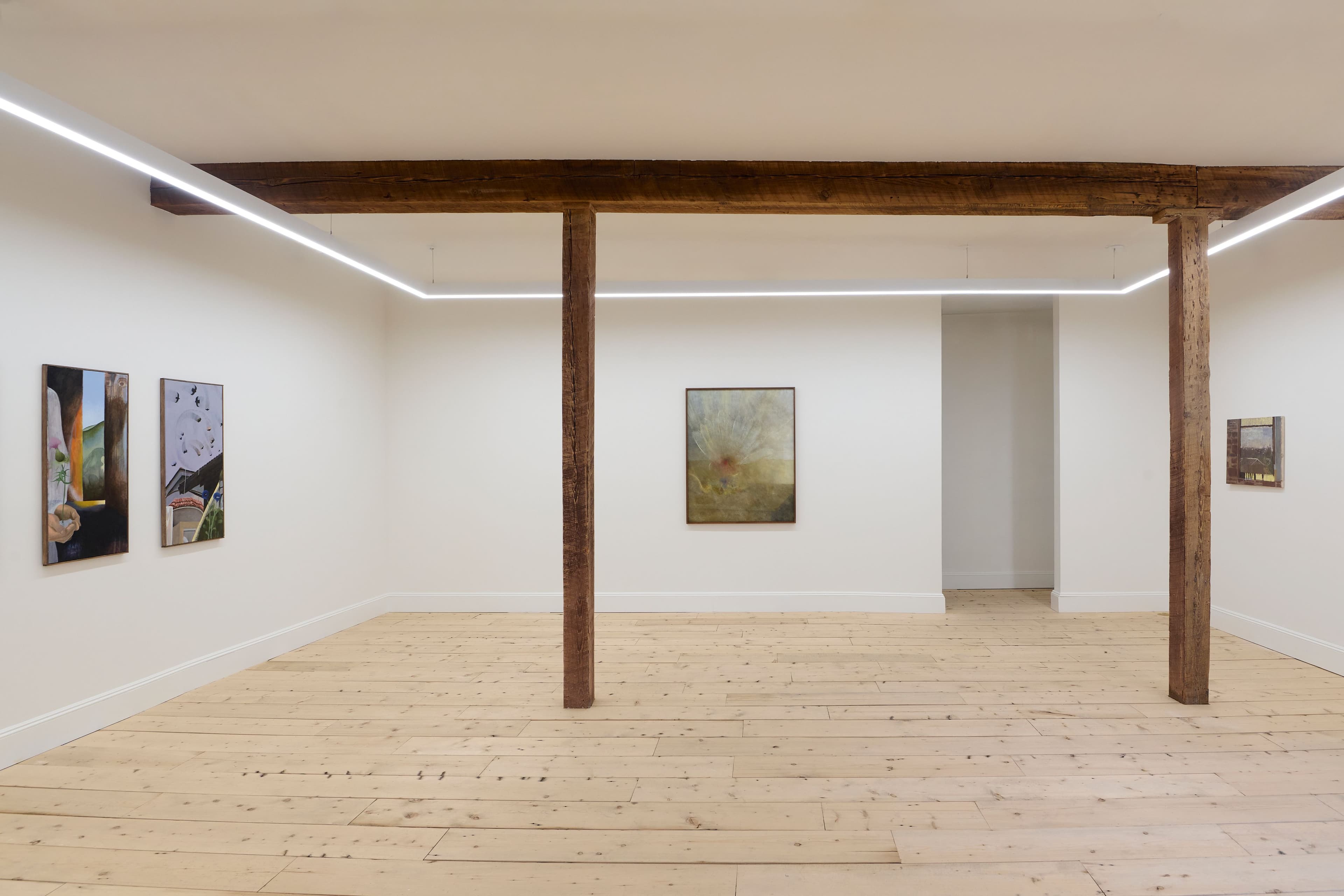
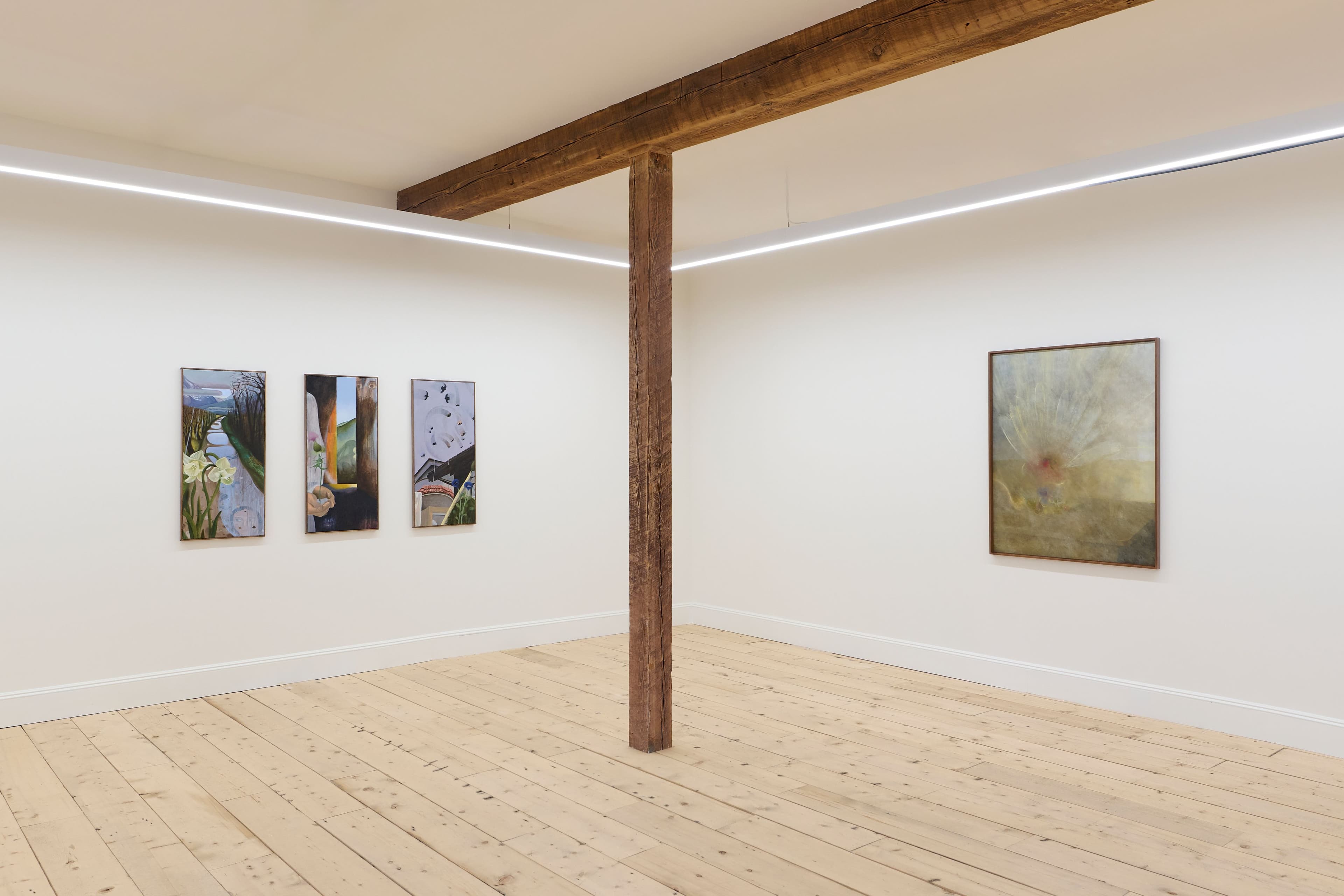
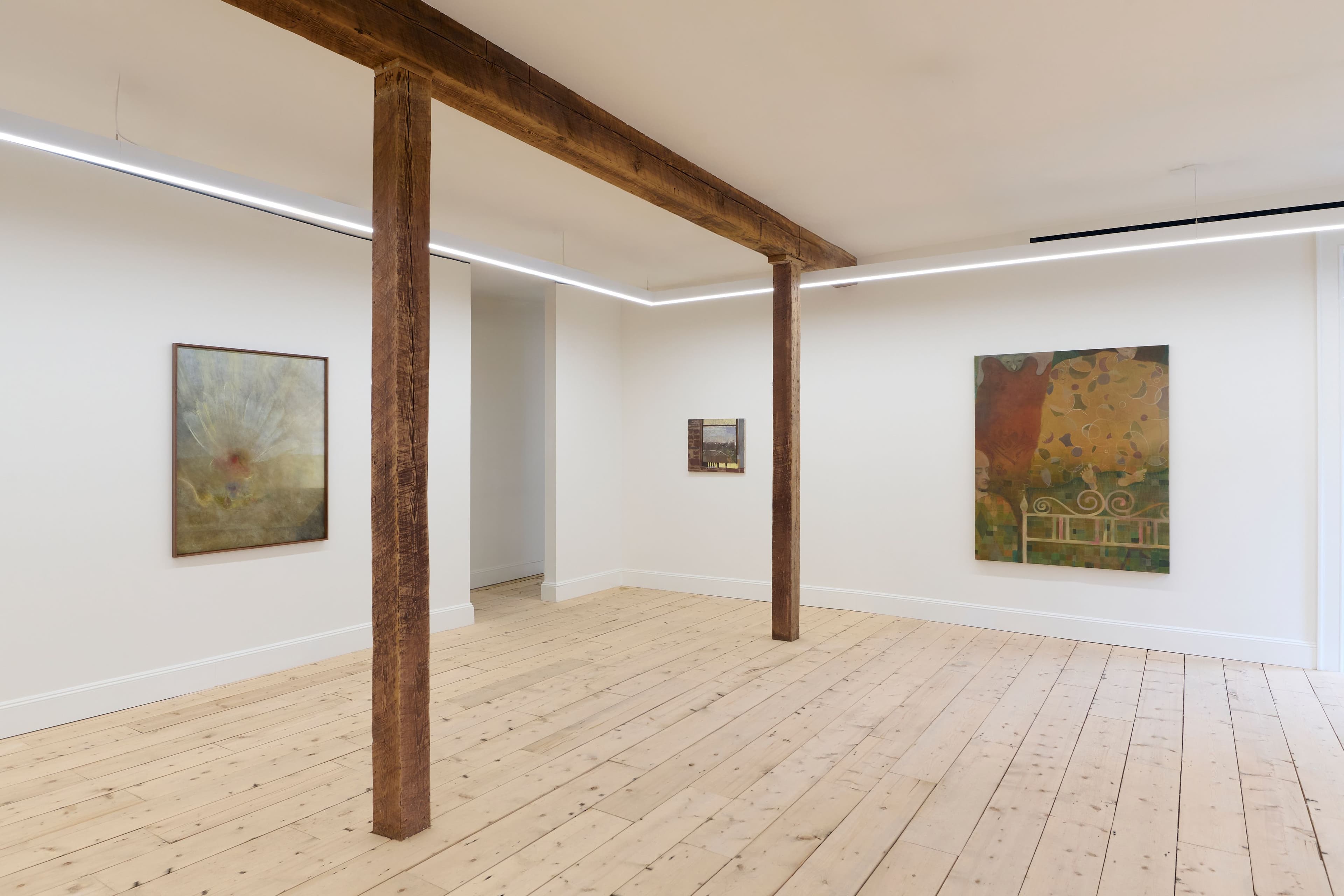
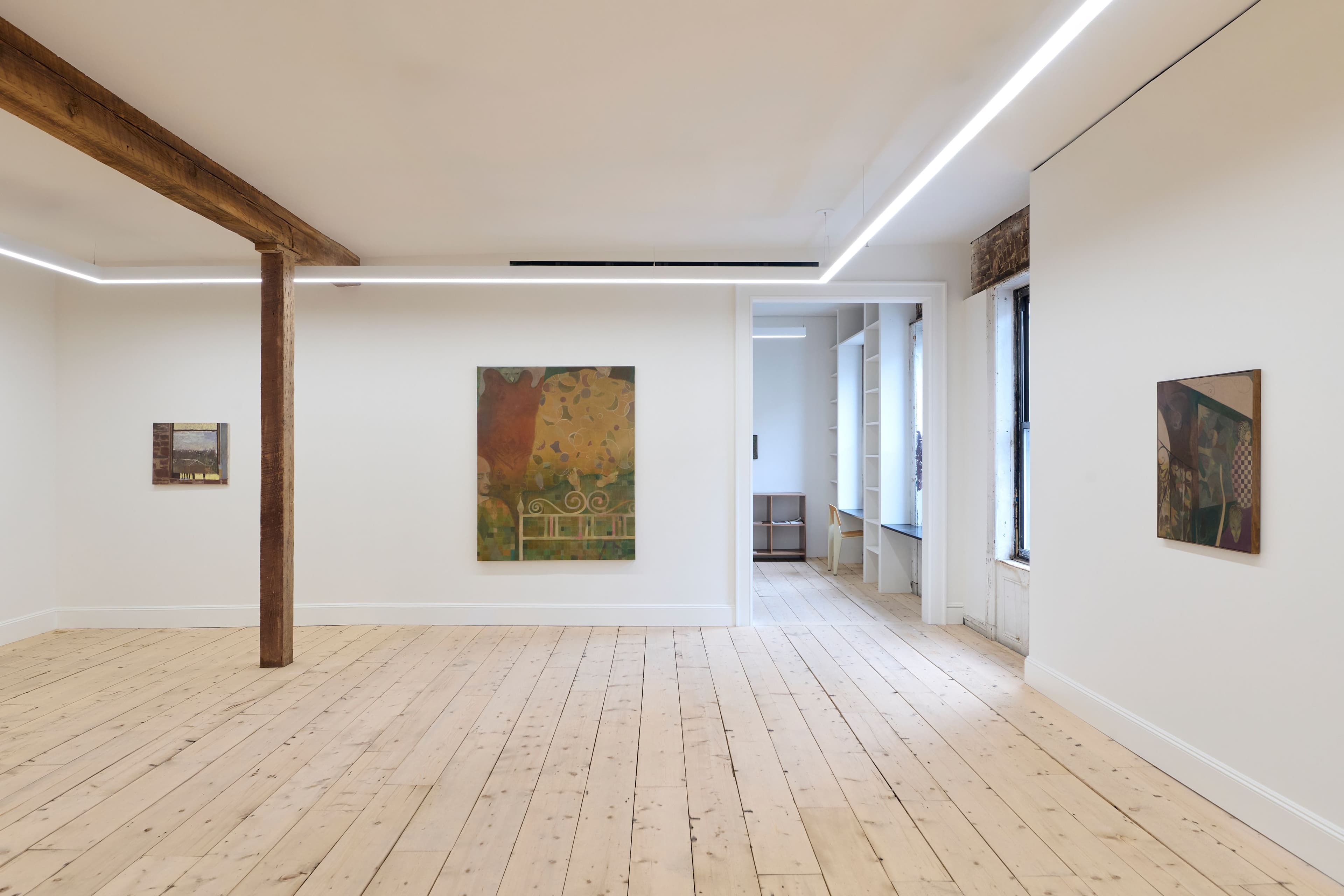
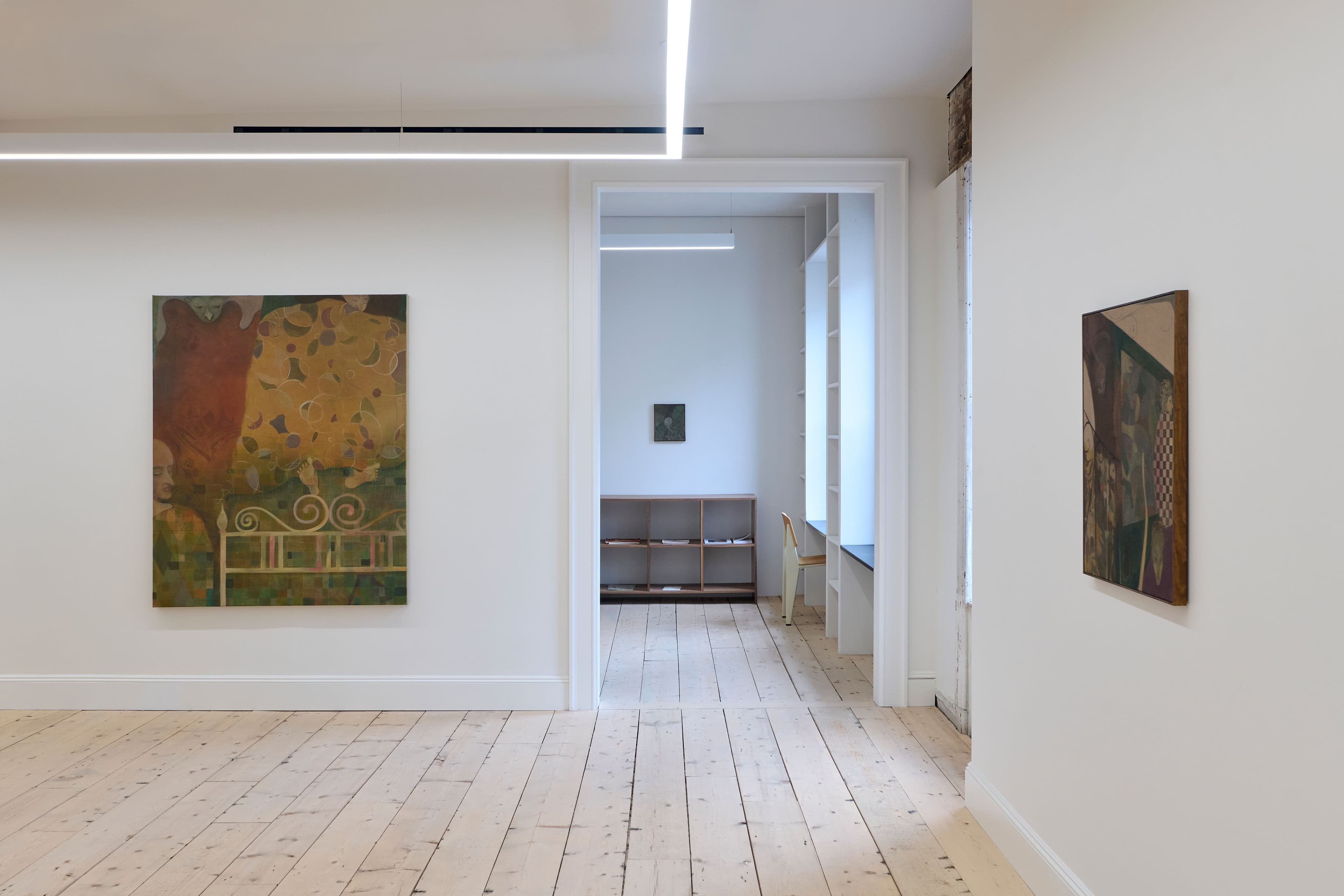
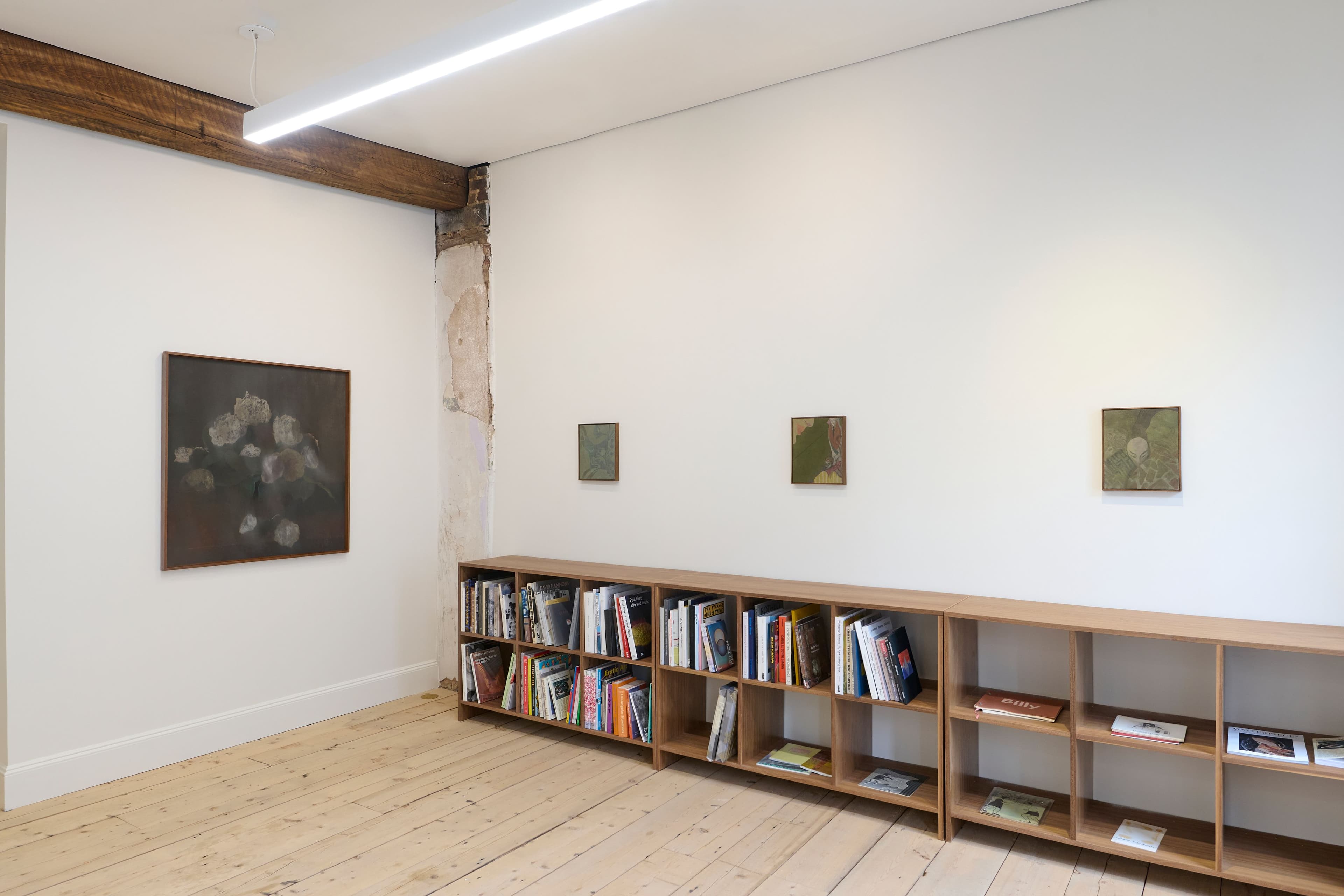
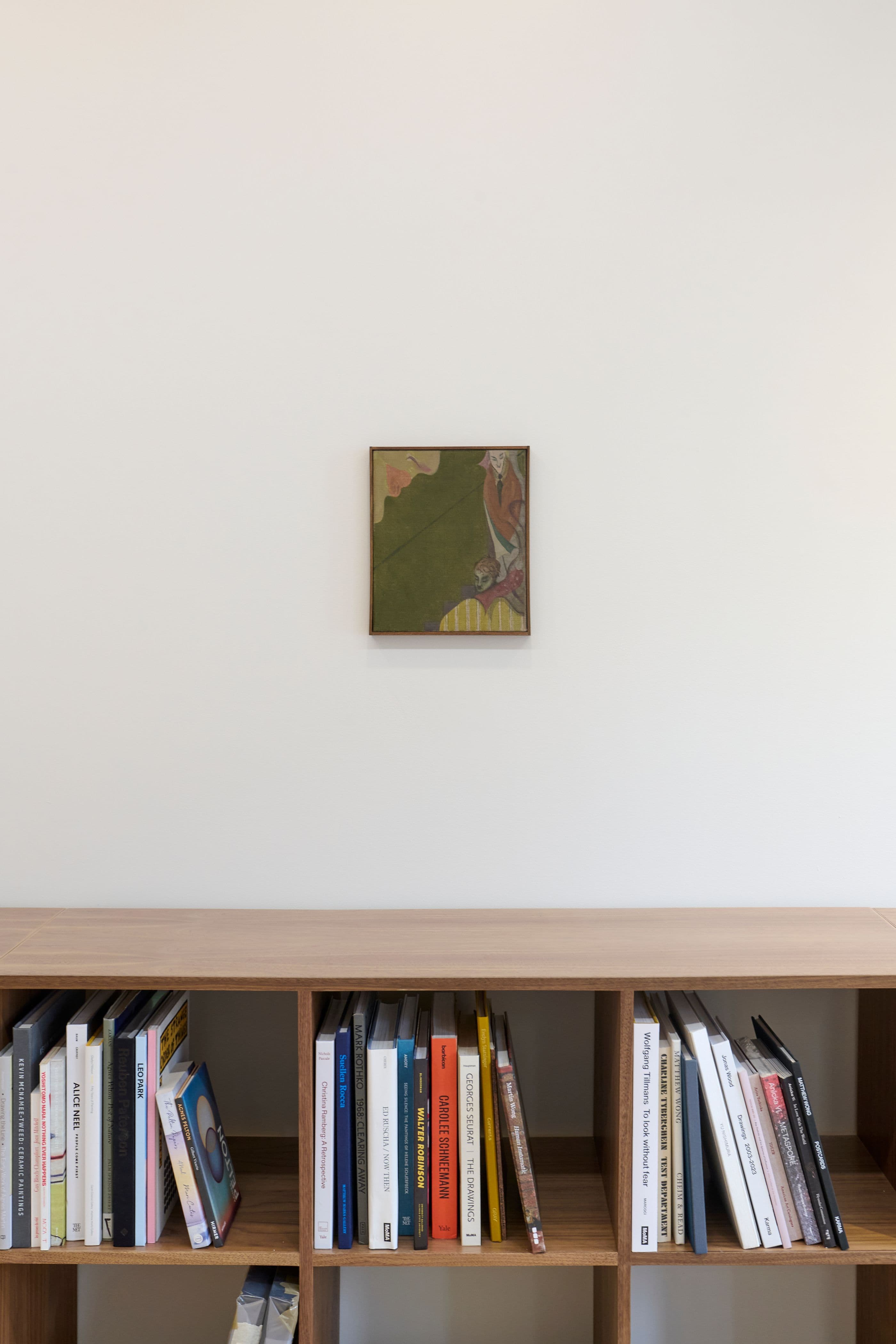
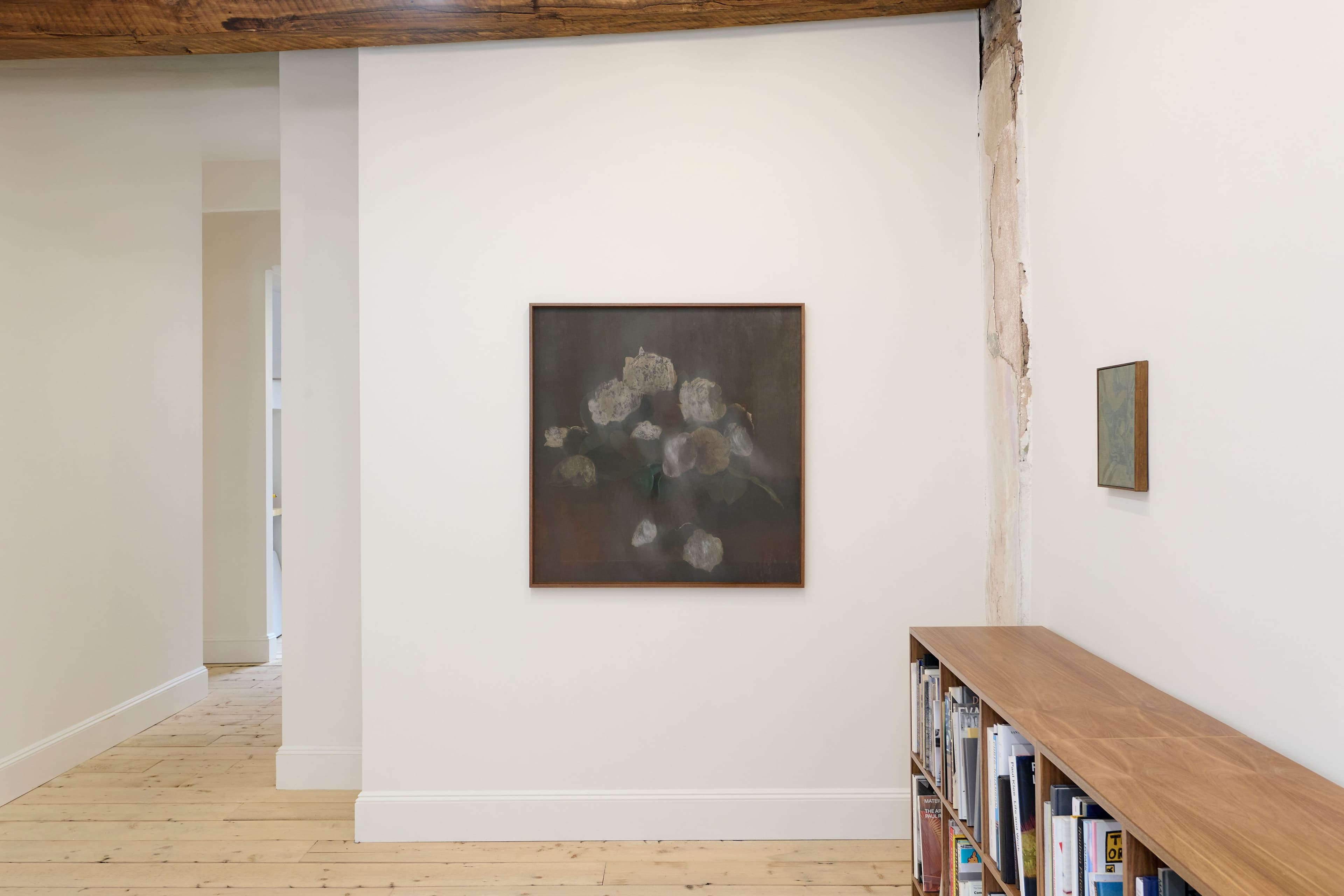
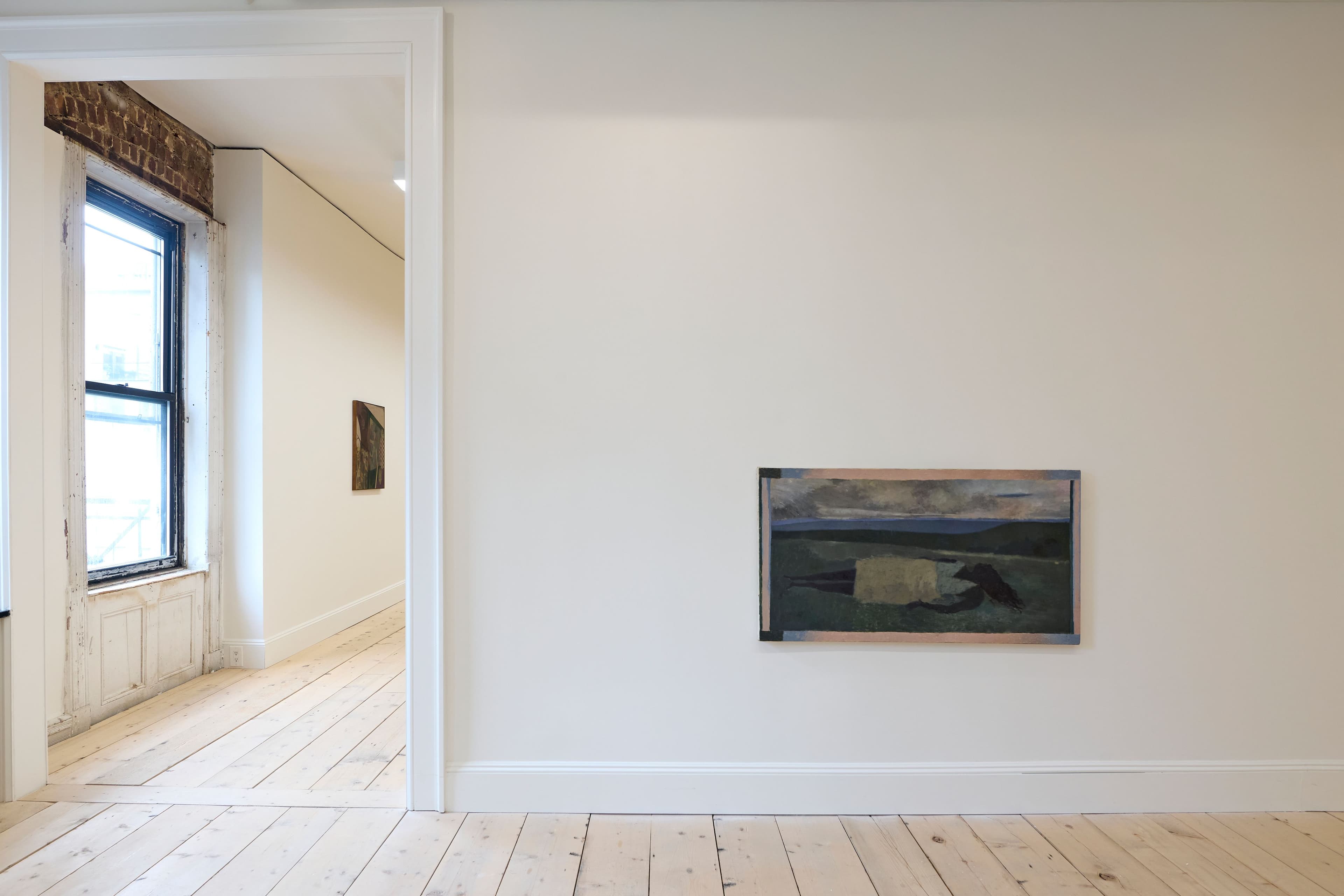
Scroll is pleased to present Memento, a group exhibition featuring new work by Ole Goldt, Onur Kılıç, Erin Wolf Mommsen, and Elias Njima, opening Friday, July 17 from 5-7pm.
Memories and histories build the symbolic and visual foundations of the four artists’ practices. Often understood as a repository of the past, memory is equally a process of continual reconstruction, not a fixed archive but as living material shaped by imagination, inheritance, and the fragmentary nature of historical knowledge.
Ole Goldt’s paintings navigate dreamlike psychological landscapes, where memory and imagination become inseparable. His enigmatic compositions suggest histories that are felt rather than known, drawing the viewer into a space where recollection unfolds through atmosphere and association. His work unfolds gradually, with images emerging through subtle shifts of color, gesture, pattern, and texture. For Goldt, painting’s inherent freedom in image creation captures him the most. Using a figurative approach, Goldt is most interested in contrasts, some sort of detachment and an interplay of space and emptiness. Some works are the result of a deep appreciation for texture and ornament, while others explore the storytelling potential of a painting. The titles of each work sometimes hint at a bigger picture, suggesting that each work may only be a fragment of a much larger story. To create these fragments, Goldt uses cutout-like compositions to focus attention, as well as grids, tiles, textiles, or checkerboard patterns. Familiar elements drift in and out of recognition, and the resulting compositions remain suspended between abstraction and figuration, inviting viewers to navigate the threshold where perception becomes uncertain.
Onur Kılıç's compositions emerge through an extended process of accumulation, revision, and erasure, treating the canvas as a site where images are continually formed and undone. Working from fragments of art historical references, domestic interiors, and everyday objects, Kılıç transforms familiar motifs into elusive compositions that explore how images are remembered, altered, and carried across time and place. Central to his practice is the material act of painting itself – layers of pigment are repeatedly applied, concealed, scraped, and rebuilt, allowing traces of previous decisions to remain visible beneath the surface. This cyclical process gives each work a temporal dimensions, where the finished painting retains the memory of its own making. Images are never truly resolved, existing in a state of continual transition, resulting in paintings of quiet meditations on time and materiality.
Self-taught in painting, Erin Wolf Mommsen’s work emerges from a deep connection to the transience of place, mood, and memory, evoking dreamlike states where time distorts and forms hover on the edge of legibility. An exploration of the fragile quality of presence, Mommsen’s paintings carry a lingering, ephemeral feeling of melancholic nostalgia that feels uncannily familiar. Mommsen approaches painting as an open-ended process of discovery, allowing intuitive mark-making and evolving compositions to guide the work. The resulting images balance delicacy and immediacy, combing a quiet emotional charge with an understated visual language that resists a fixed interpretation.
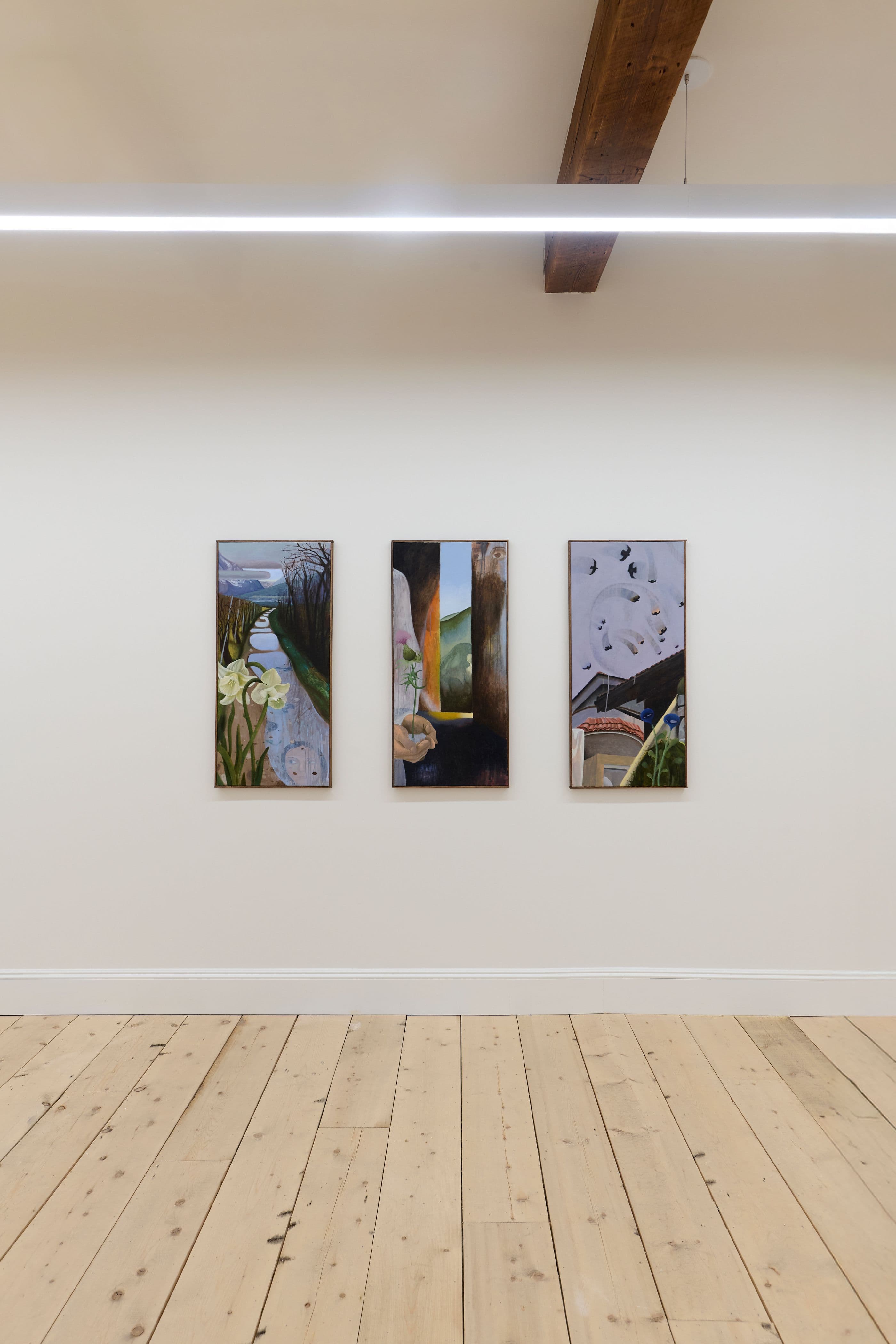
Elias Njima draws upon the unconscious to inform his surrealist mindscapes, capturing the unremarkable, everyday moments that drift past like background noise. Njima blends contemporary influences of his surrounding environment with historical references drawn from his cultural backgrounds – Switzerland and Morocco – including the work of Farid Belkahia, Thierry Vernet, and Marguerite Burnat-Provins, generating imagery that instills an uncanny sense of the familiarity. Narrative remains deliberately incomplete, and rather than illustrating specific events, the paintings linger in moments that preceded or follow them, inviting viewers to inhabit the quiet space where observation gives way to reflection. The intimacy of Njima’s work lies in its refusal to separate the everyday from the poetic. Familiar objects recur not as symbols but carry the accumulated presence of quotidian life.
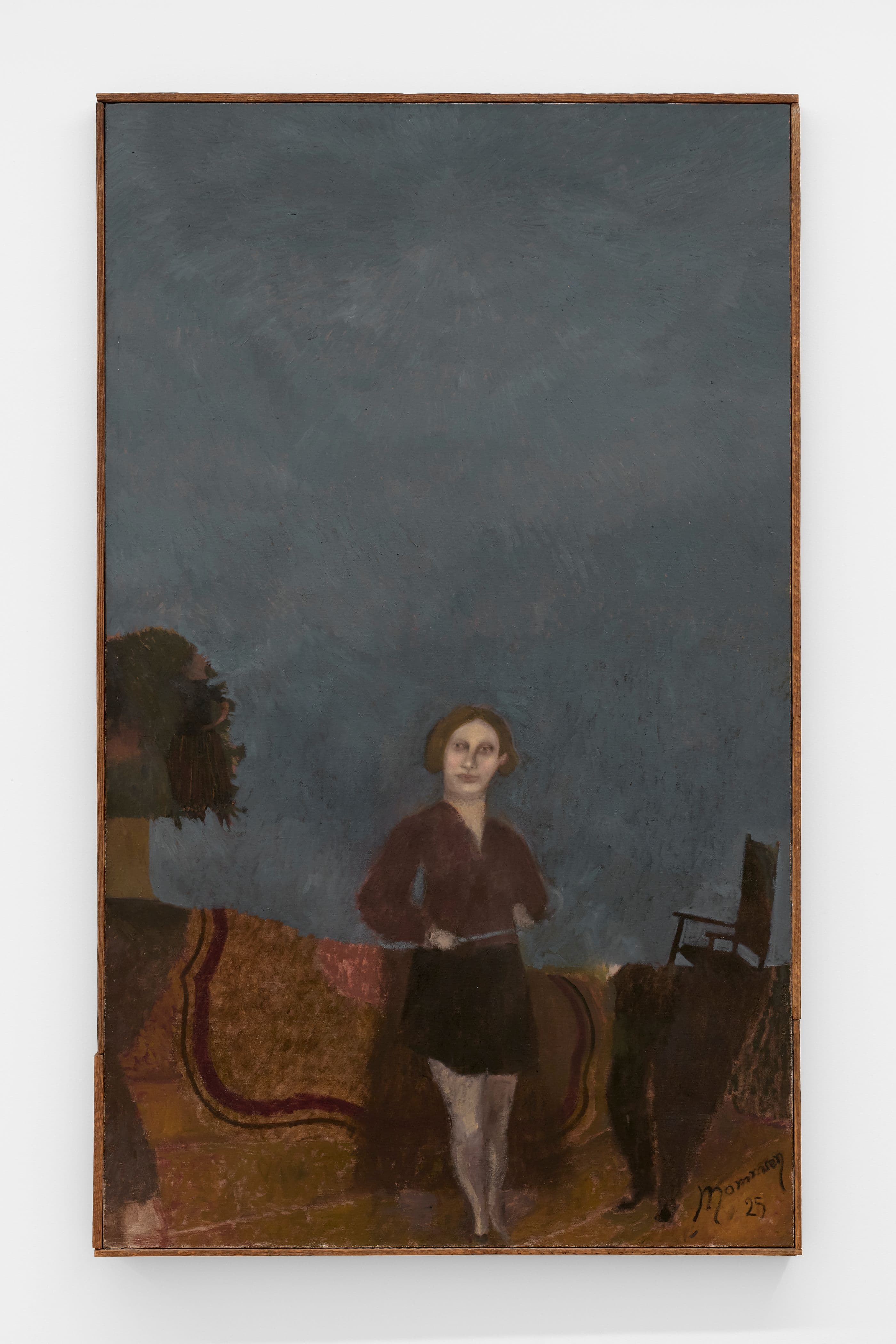
Invisible Hula Hoop (2025)
oil on canvas in artist's frame
61 x 37 in. 154.9 x 94 cm.
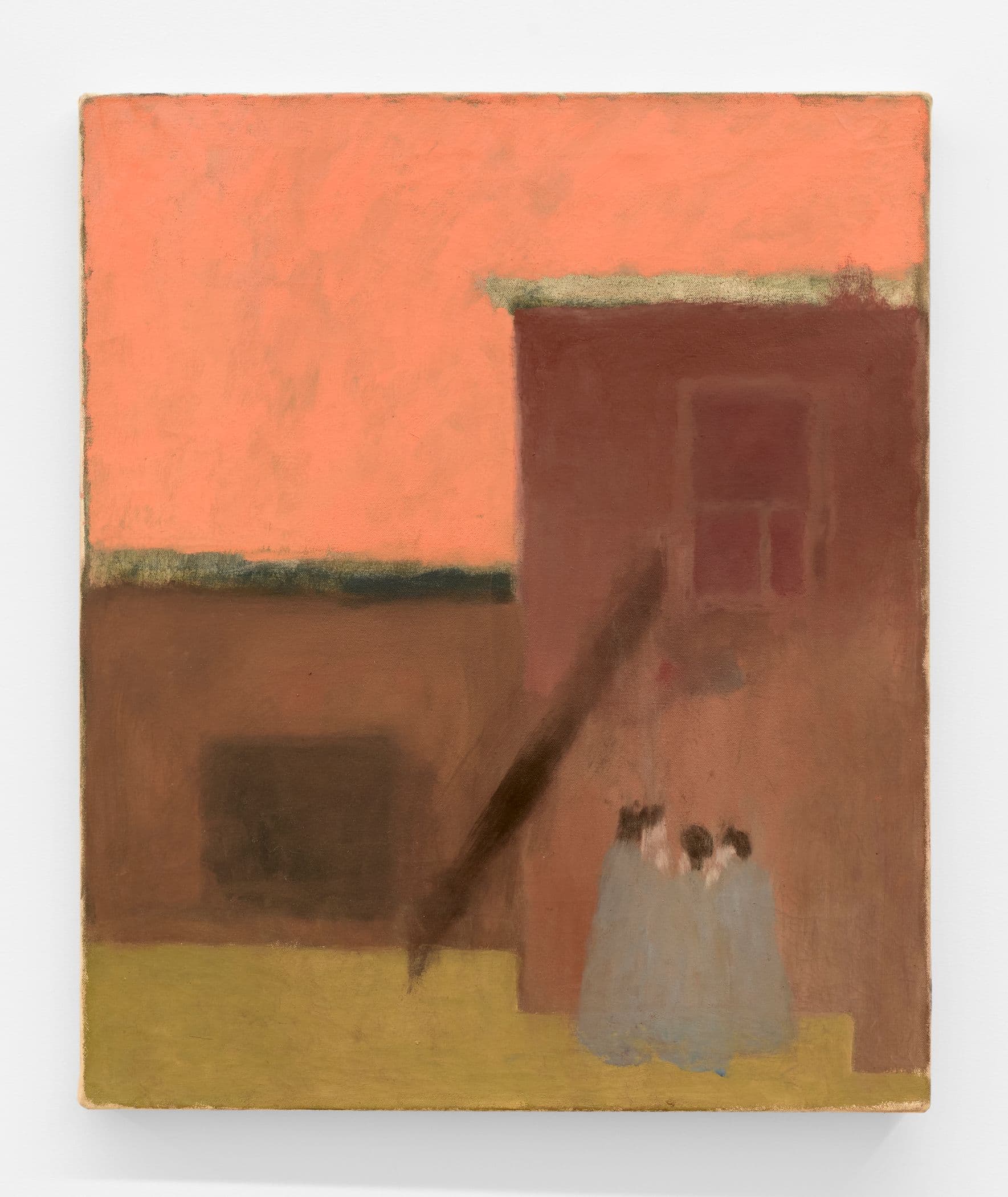
61 x 50.8 cm.
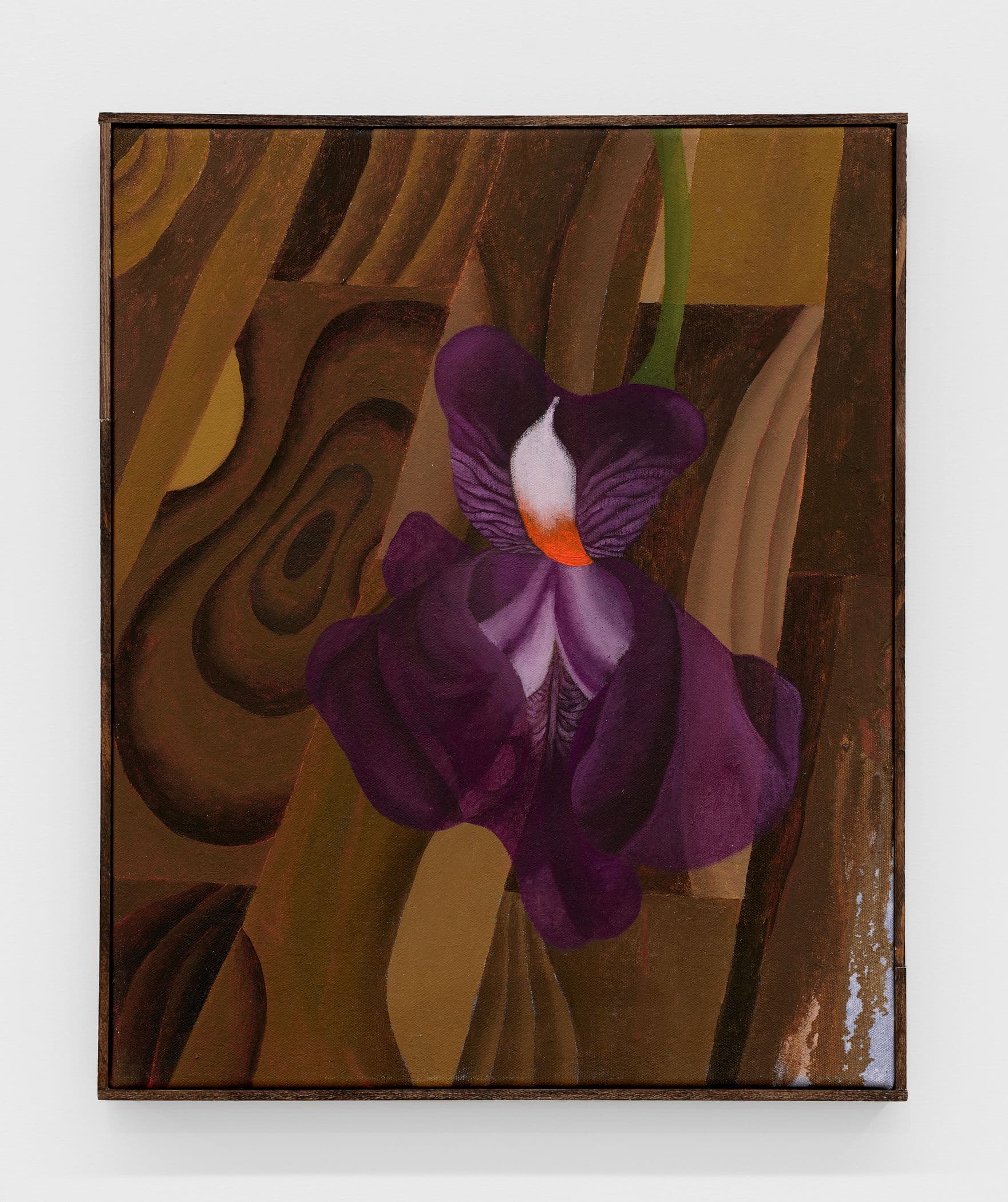
47 x 38 cm.
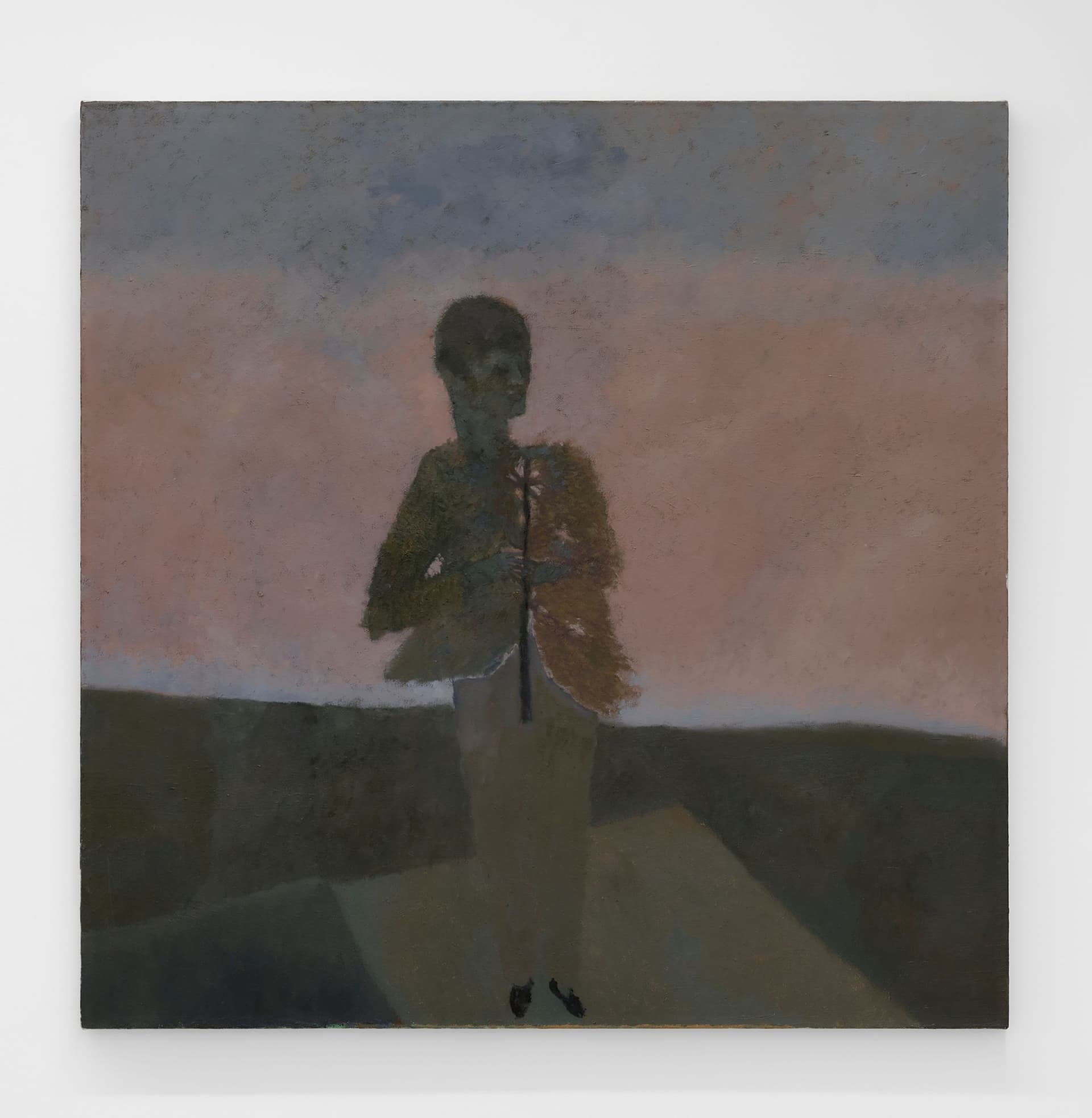
121.9 x 121.9 cm.
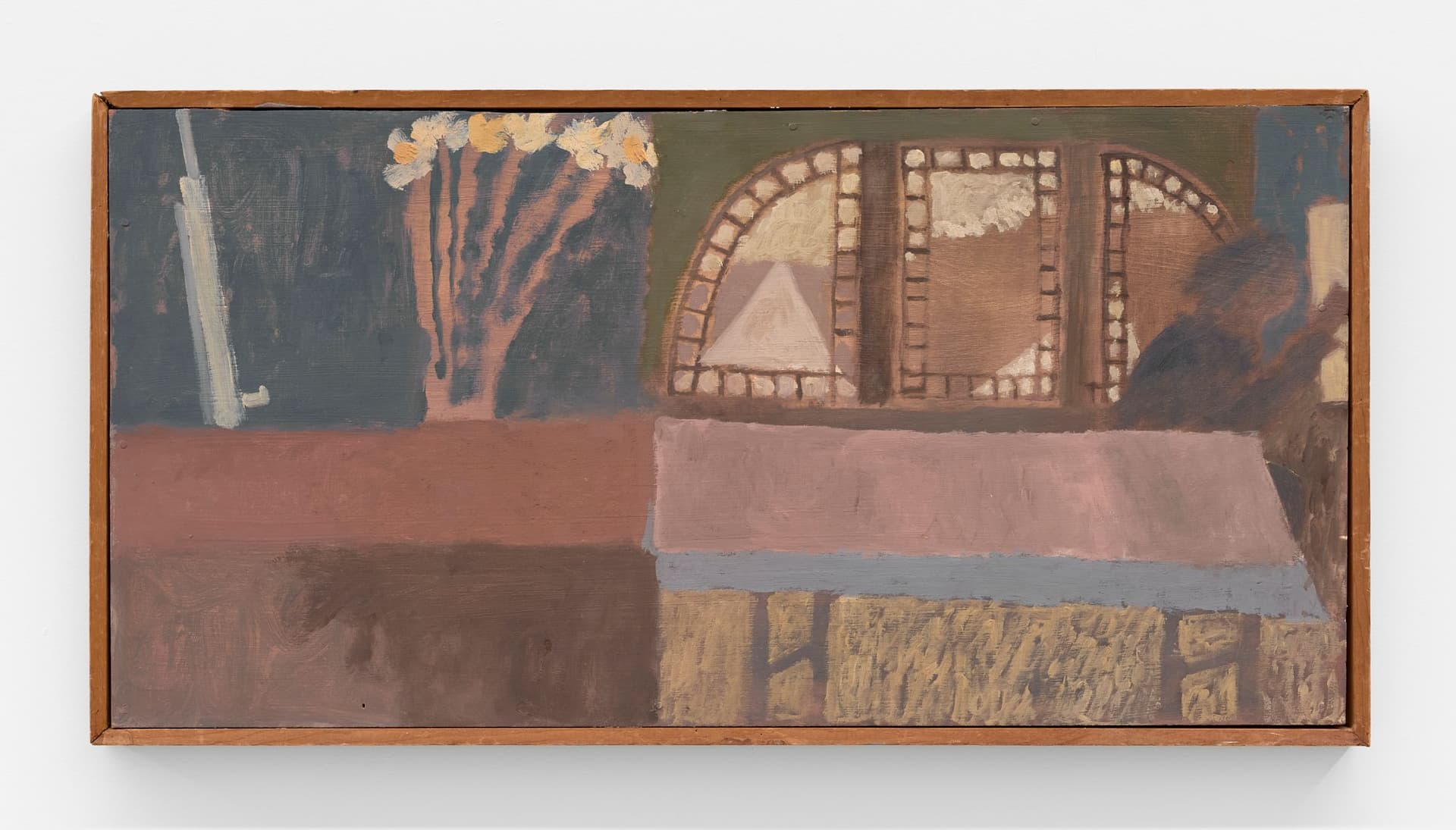
32.7 x 63.5 cm.
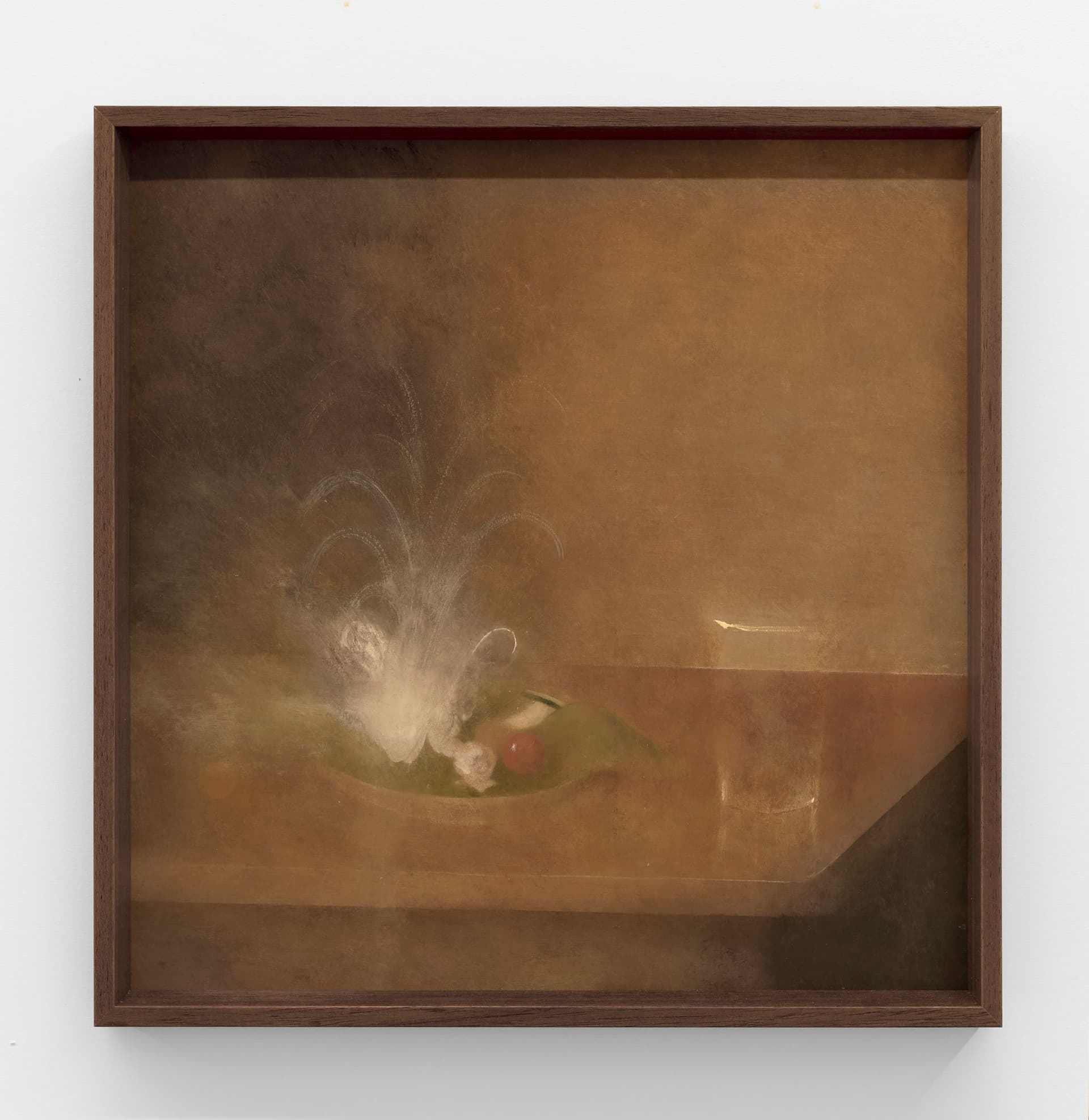
framed: 19 7/8 x 19 3/4 x 1 3/8 in. (51 x 50 x 3.5 cm.)
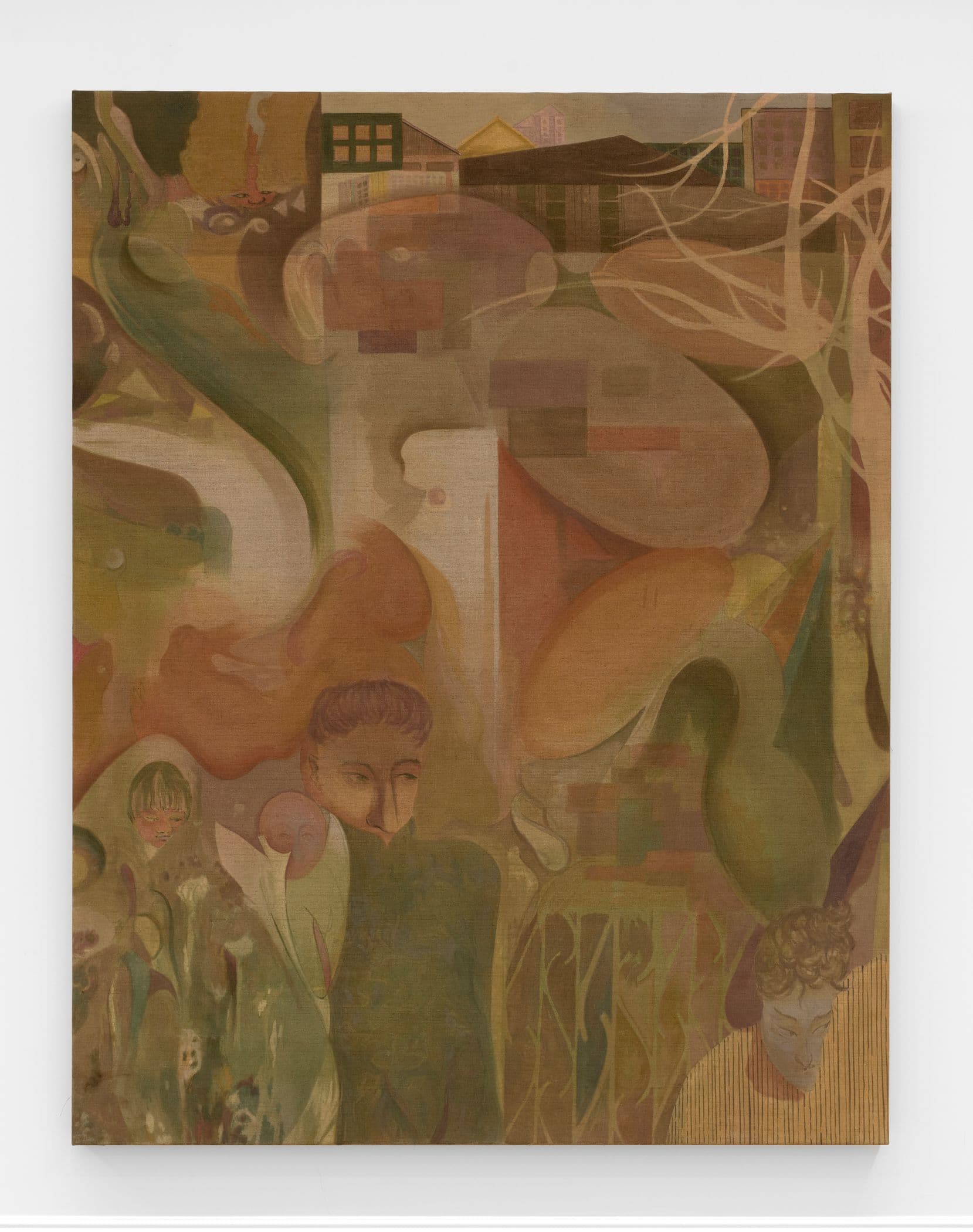
180 x 140 cm.
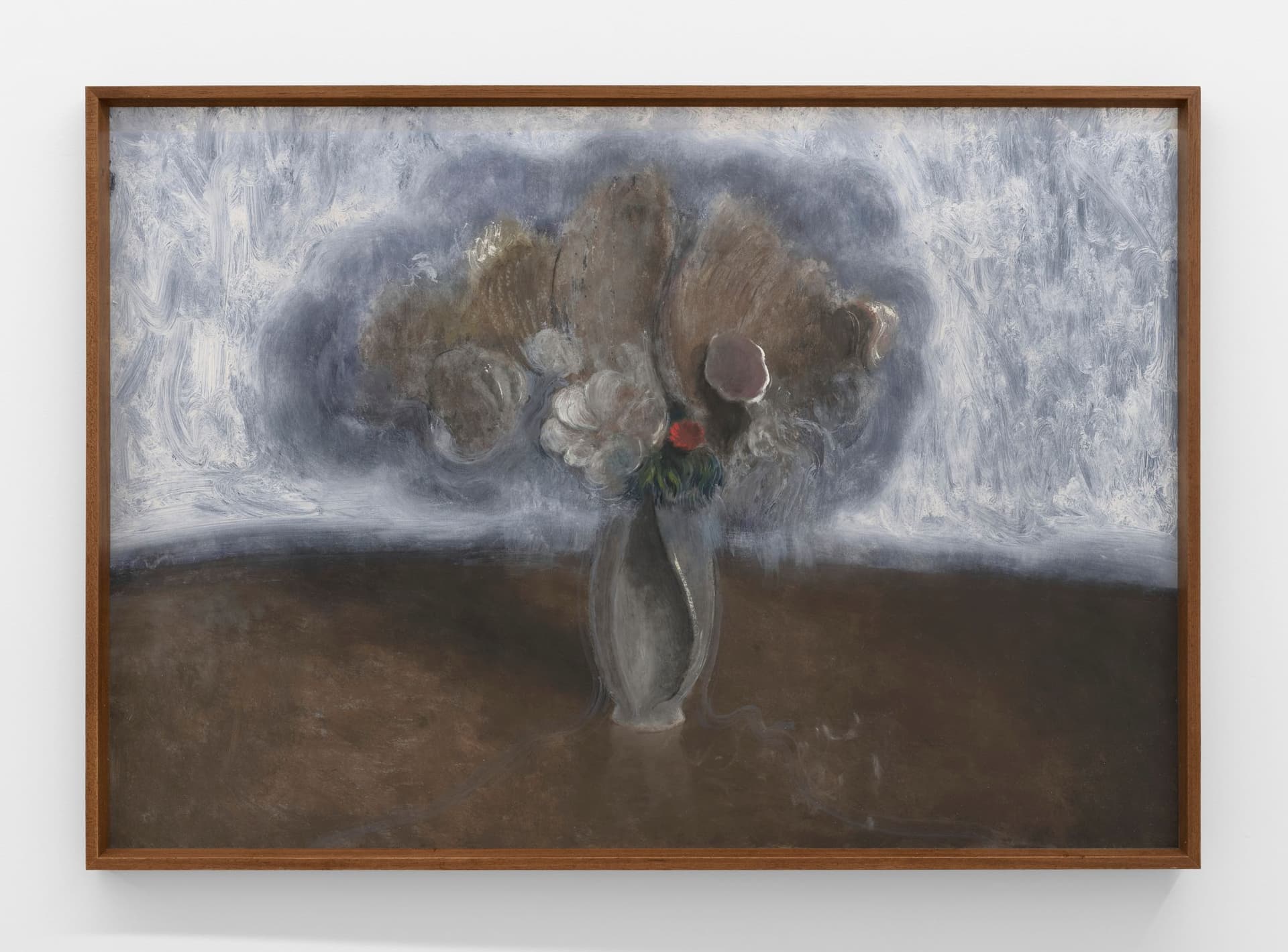
framed: 40 x 28 1/8 x 1 3/8 in. (102 x 72 x 3.5 cm.)
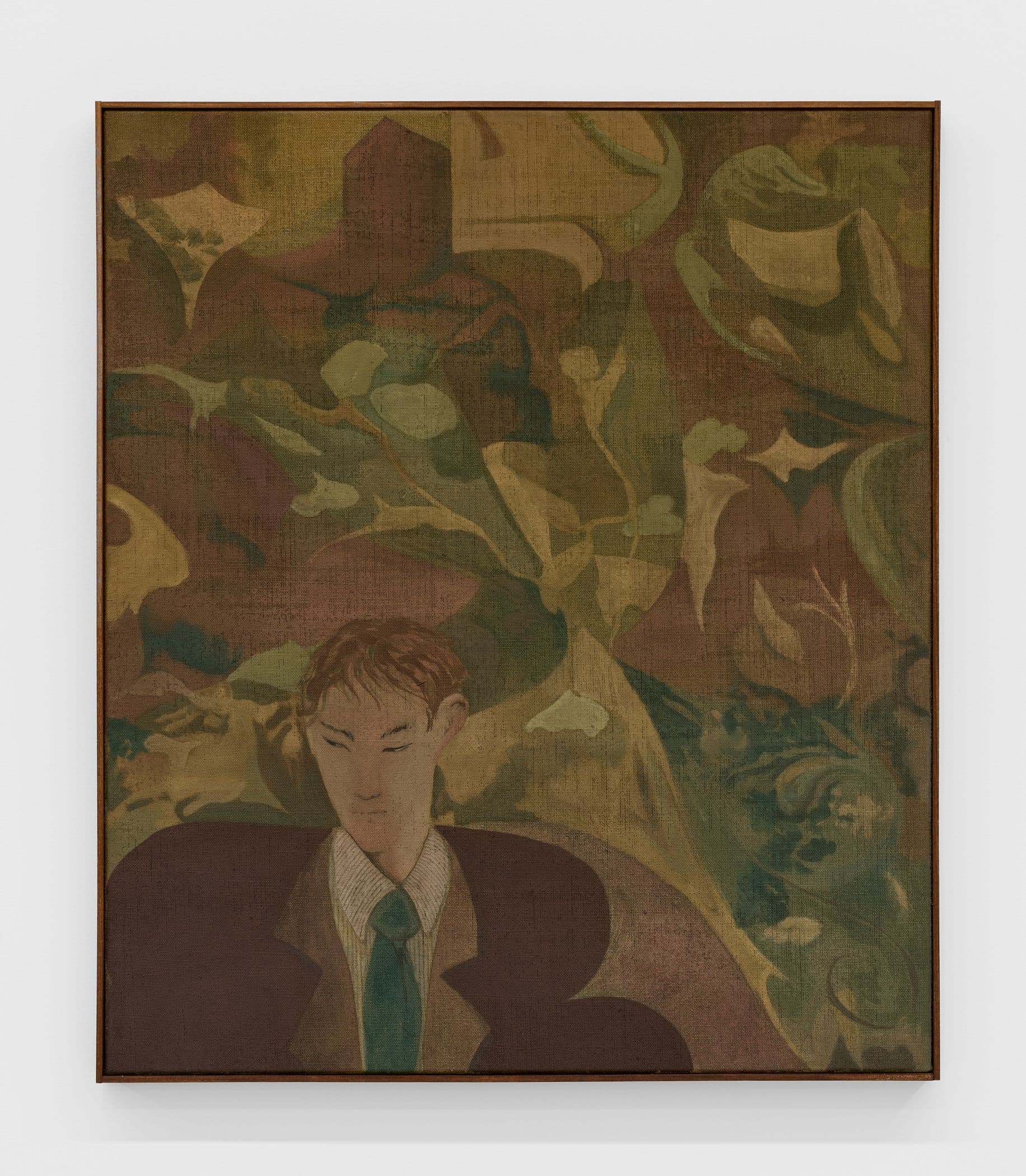
70 x 60 cm.
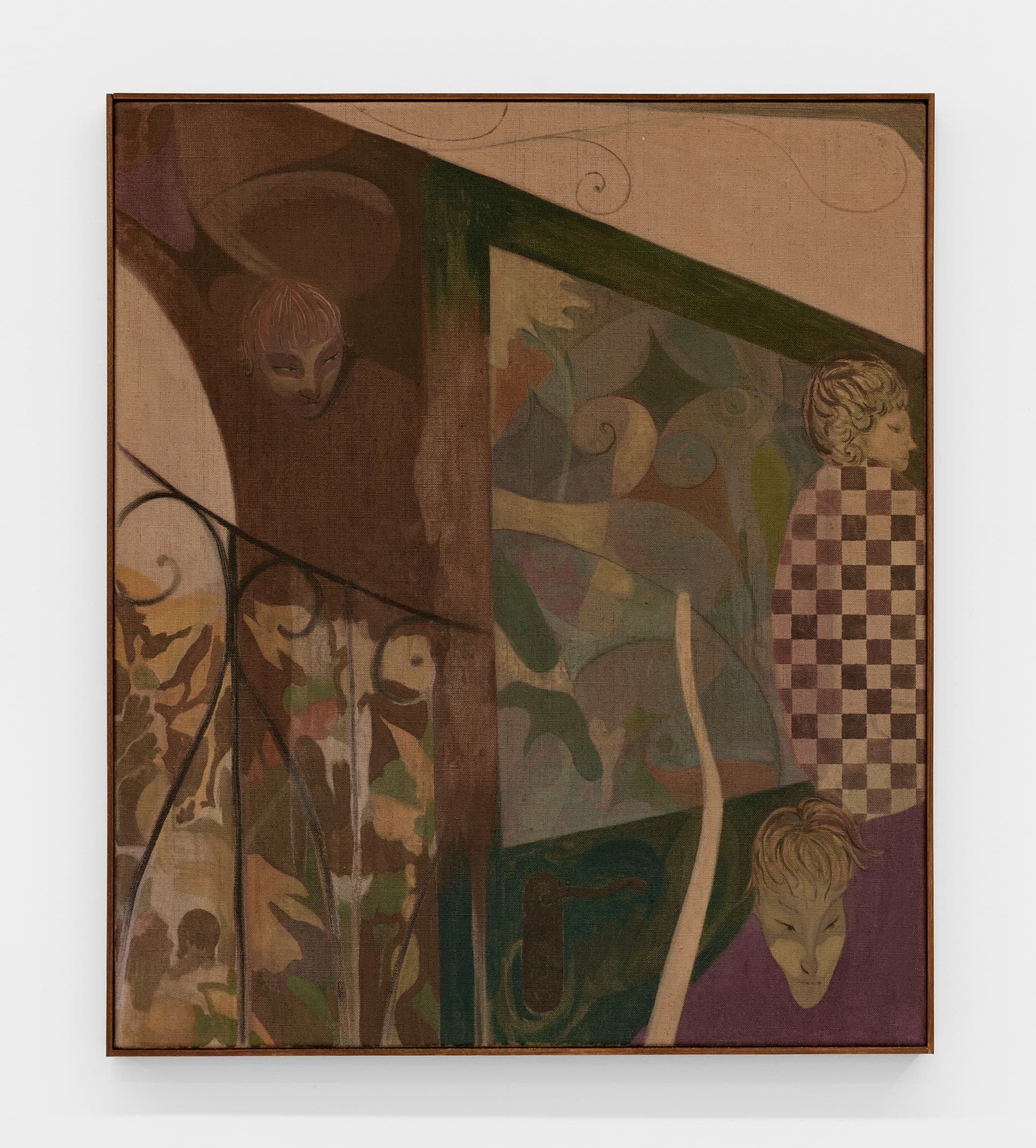
70 x 60 cm.
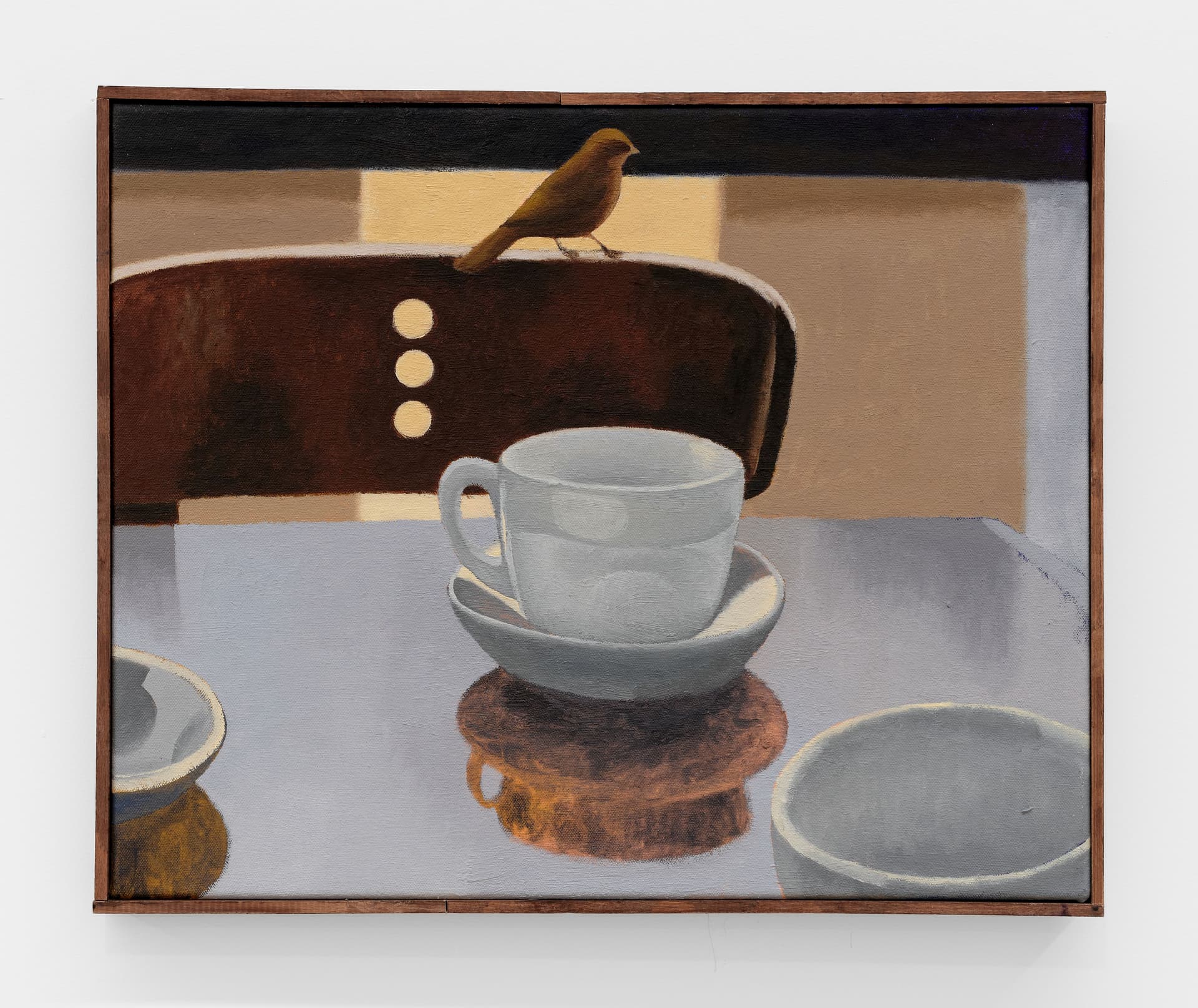
38 x 47 cm.
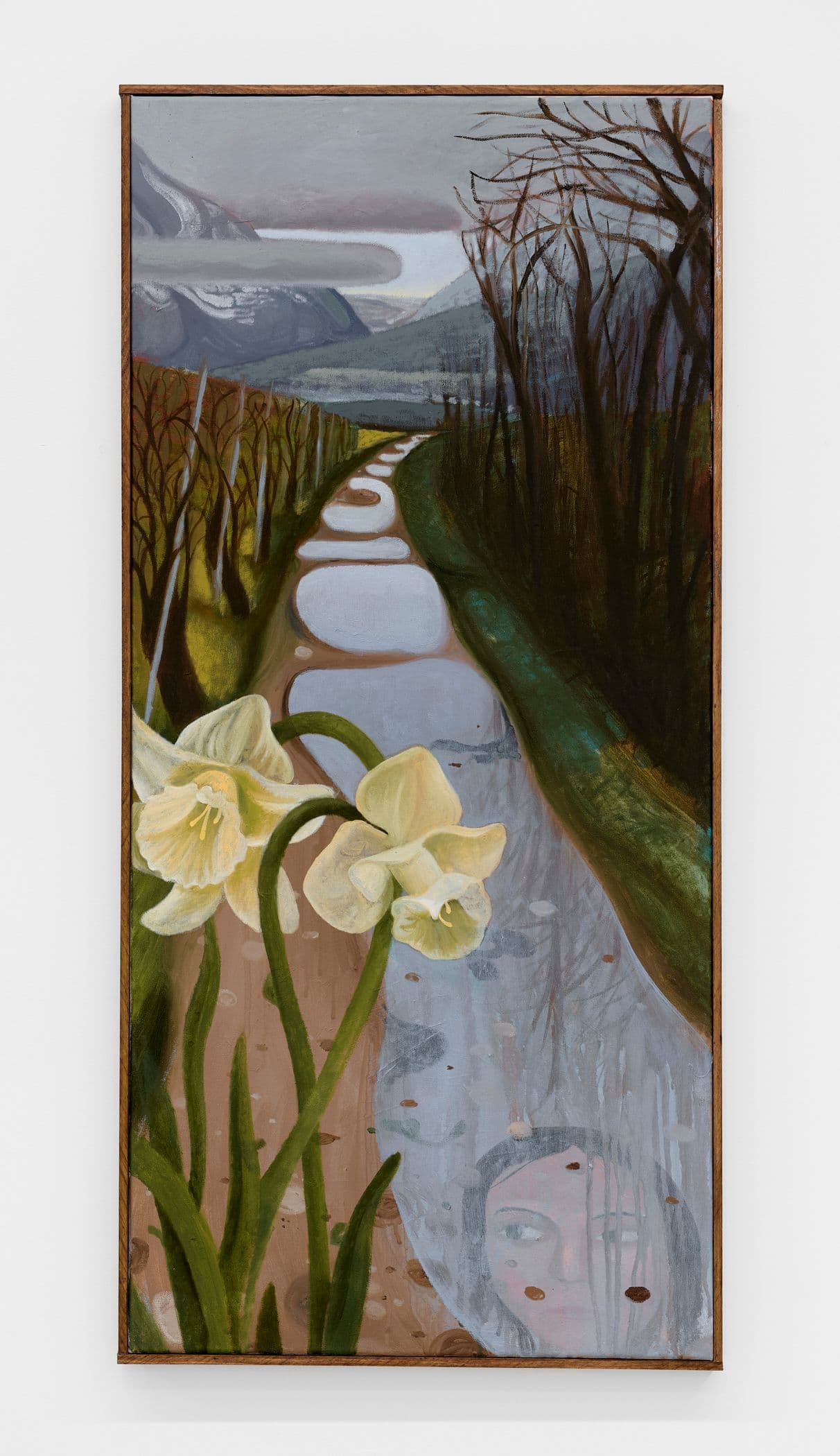
97 x 45 cm.
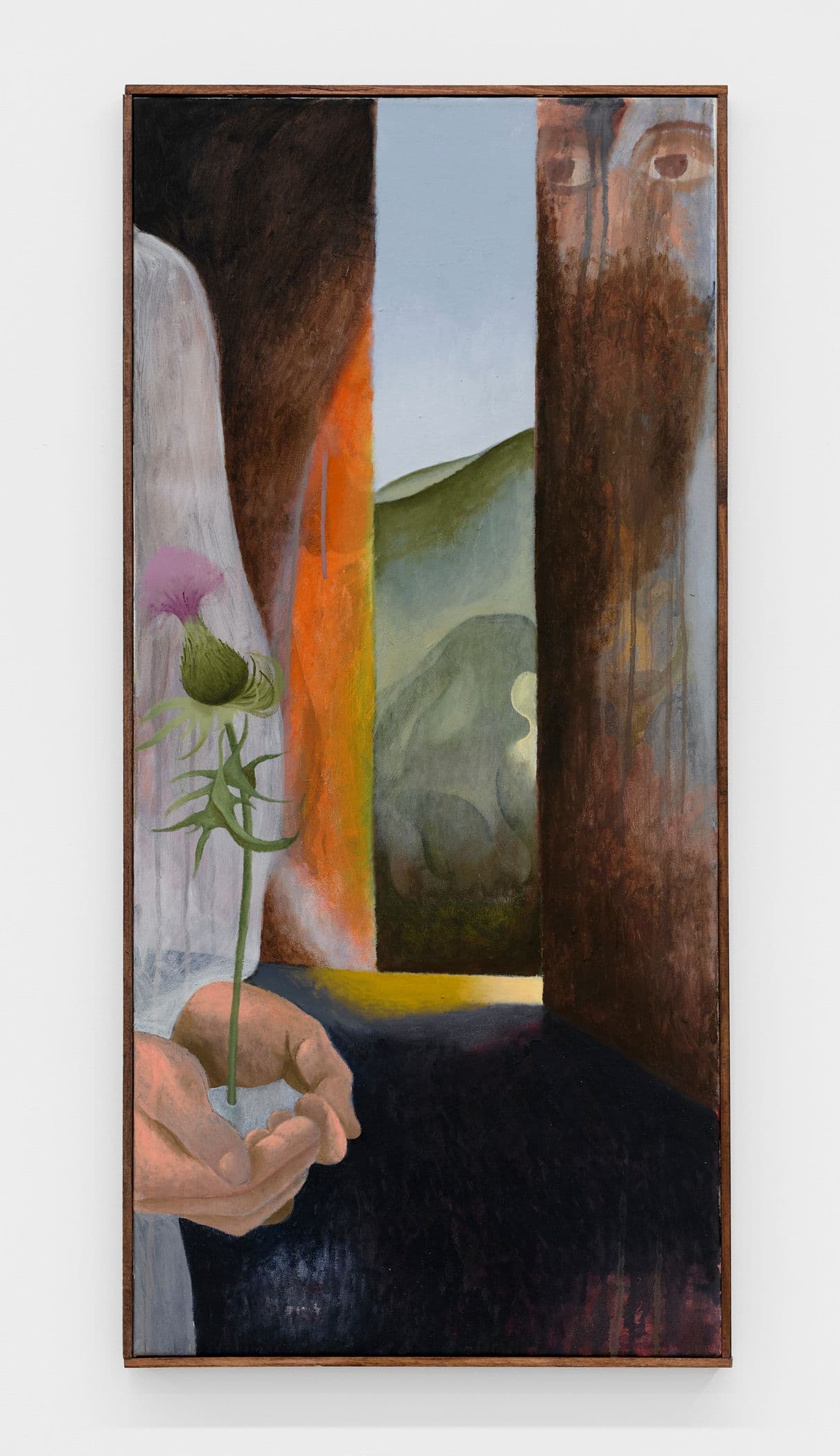
97 x 45 cm.
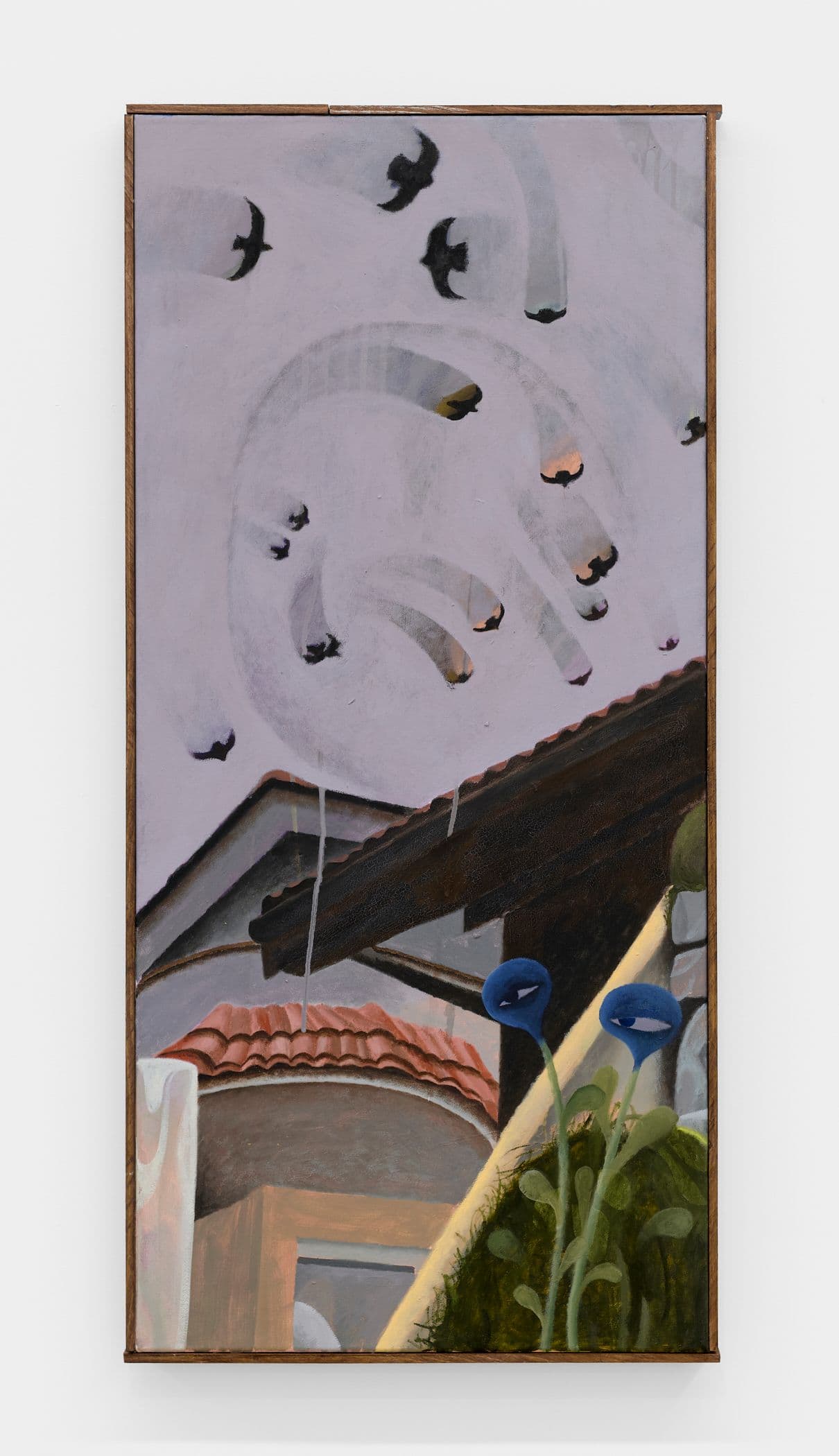
97 x 45 cm.
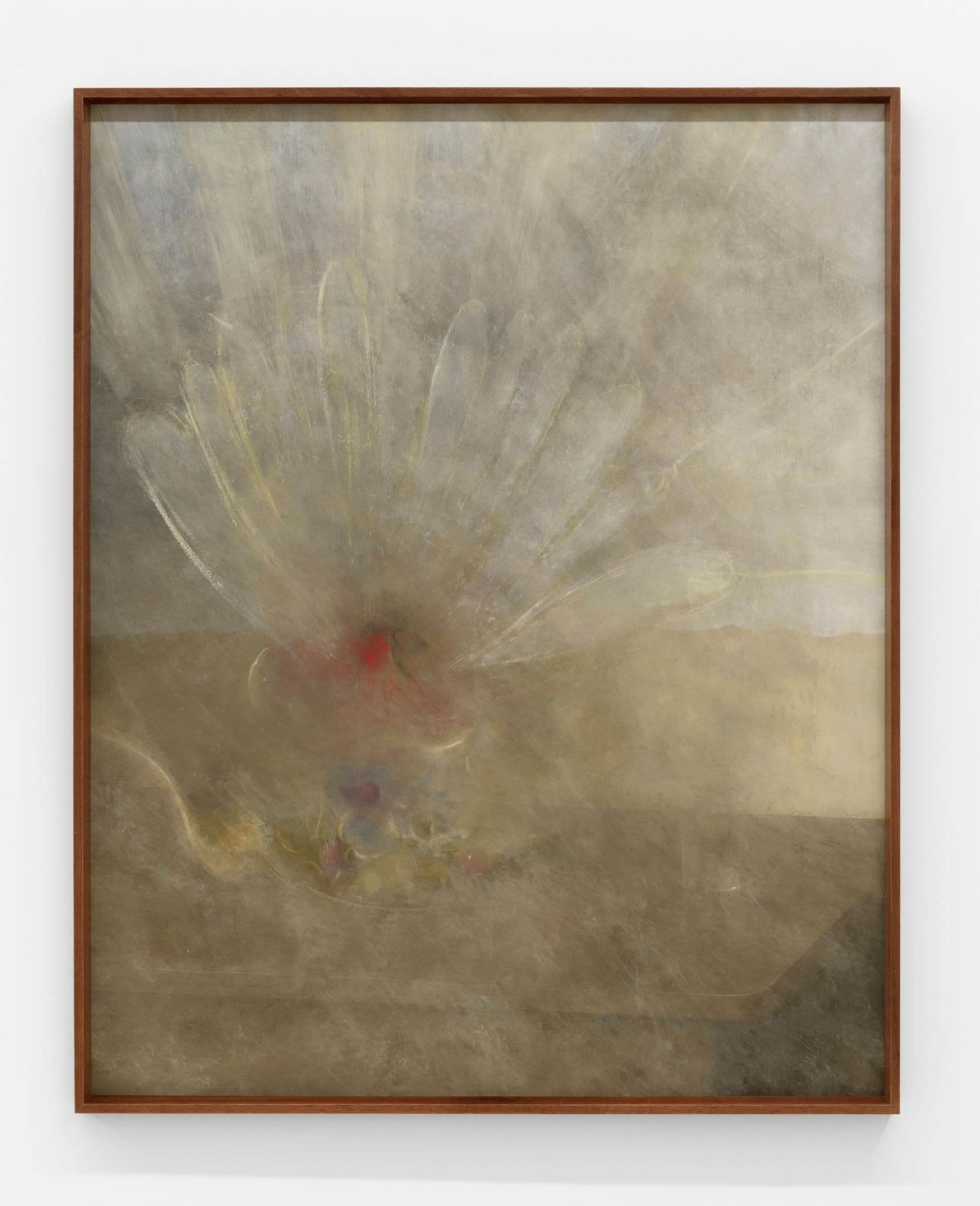
framed: 48 1/2 x 39 x 1 3/8 in. (124 x 99 x 3.5 cm.)
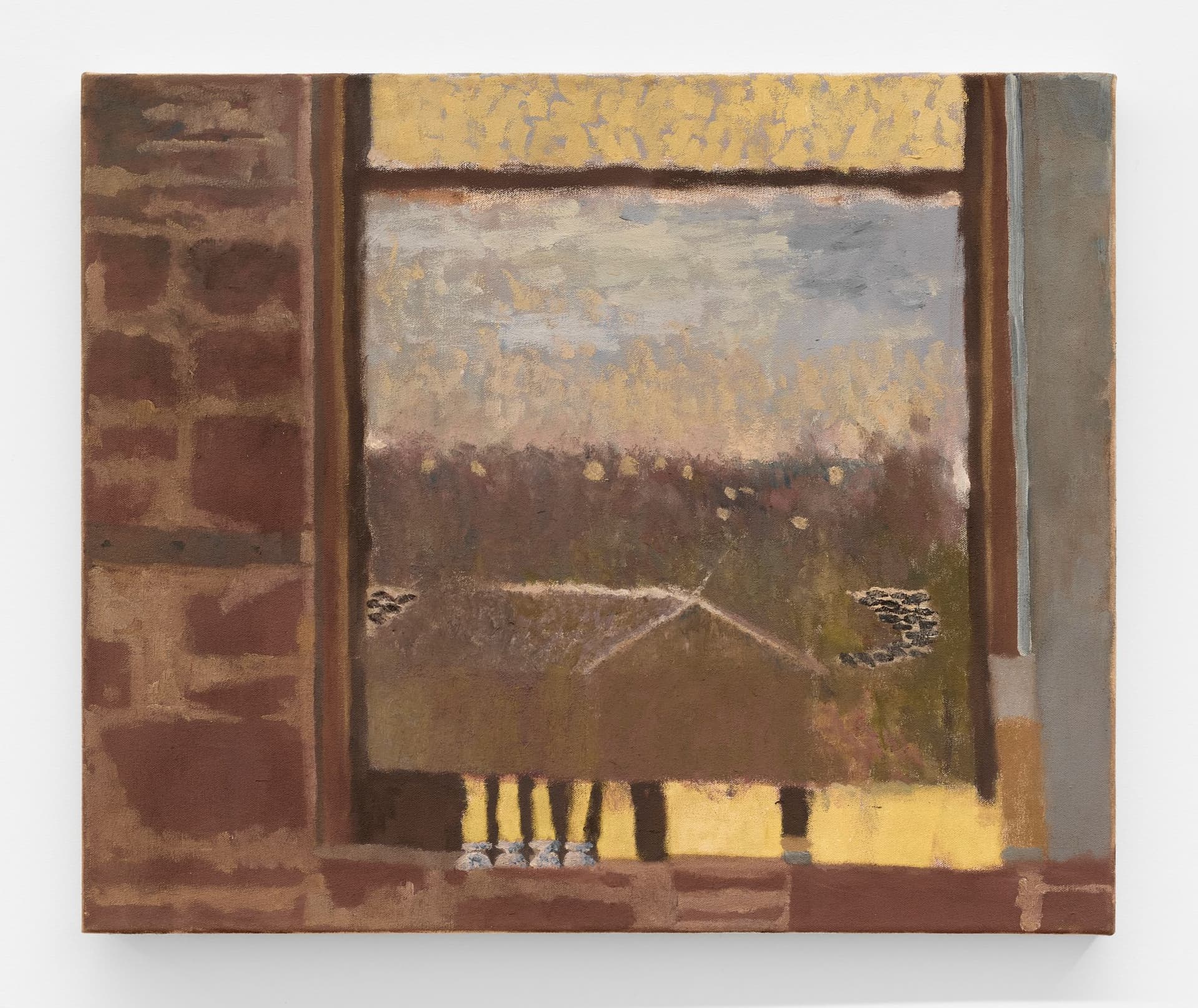
50.8 x 61 cm.
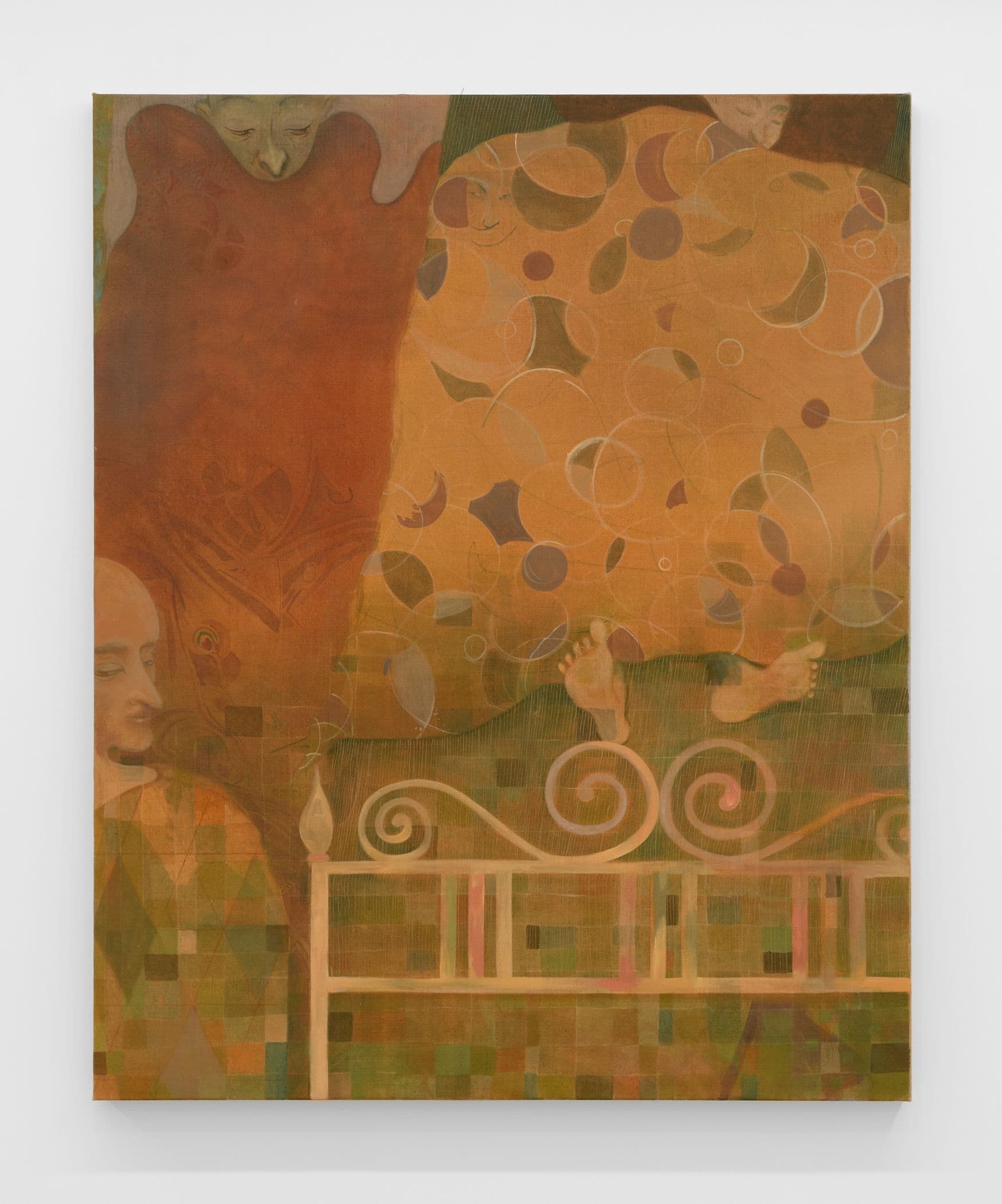
160 x 130 cm.
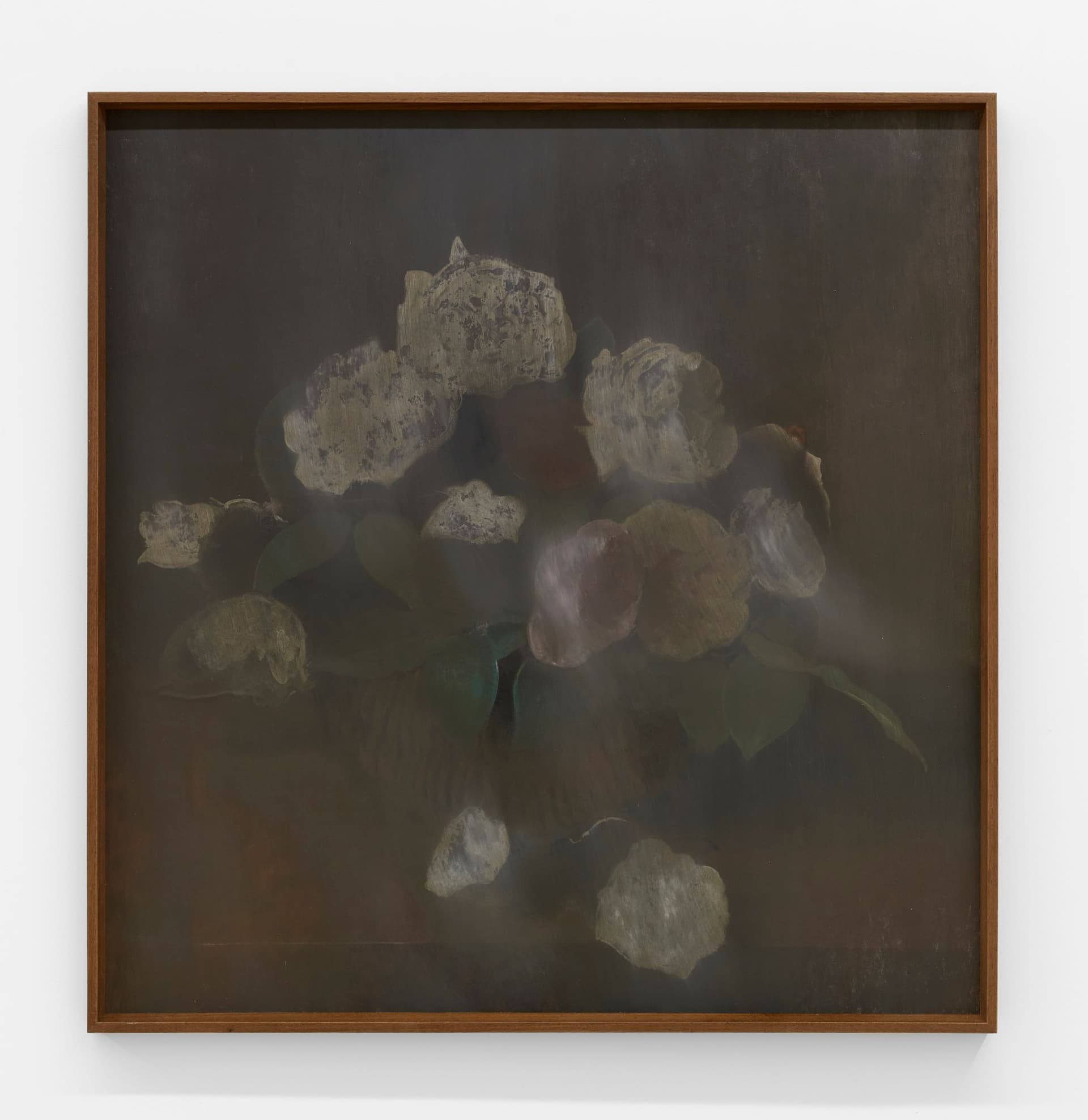
framed: 40 x 38 3/4 x 1 3/8 in. (102 x 98.5 x 3.5 cm.)
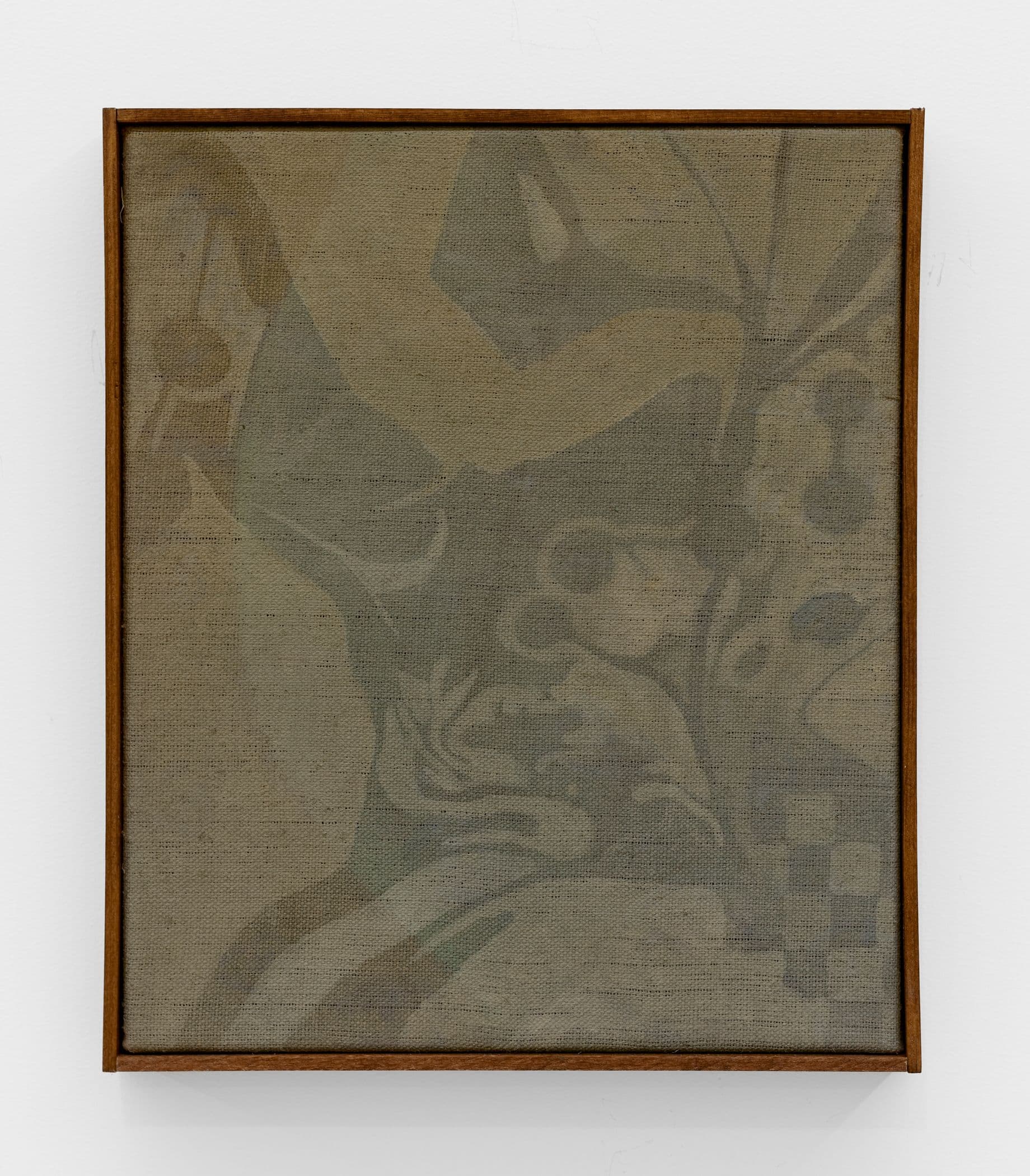
30 x 25 cm.
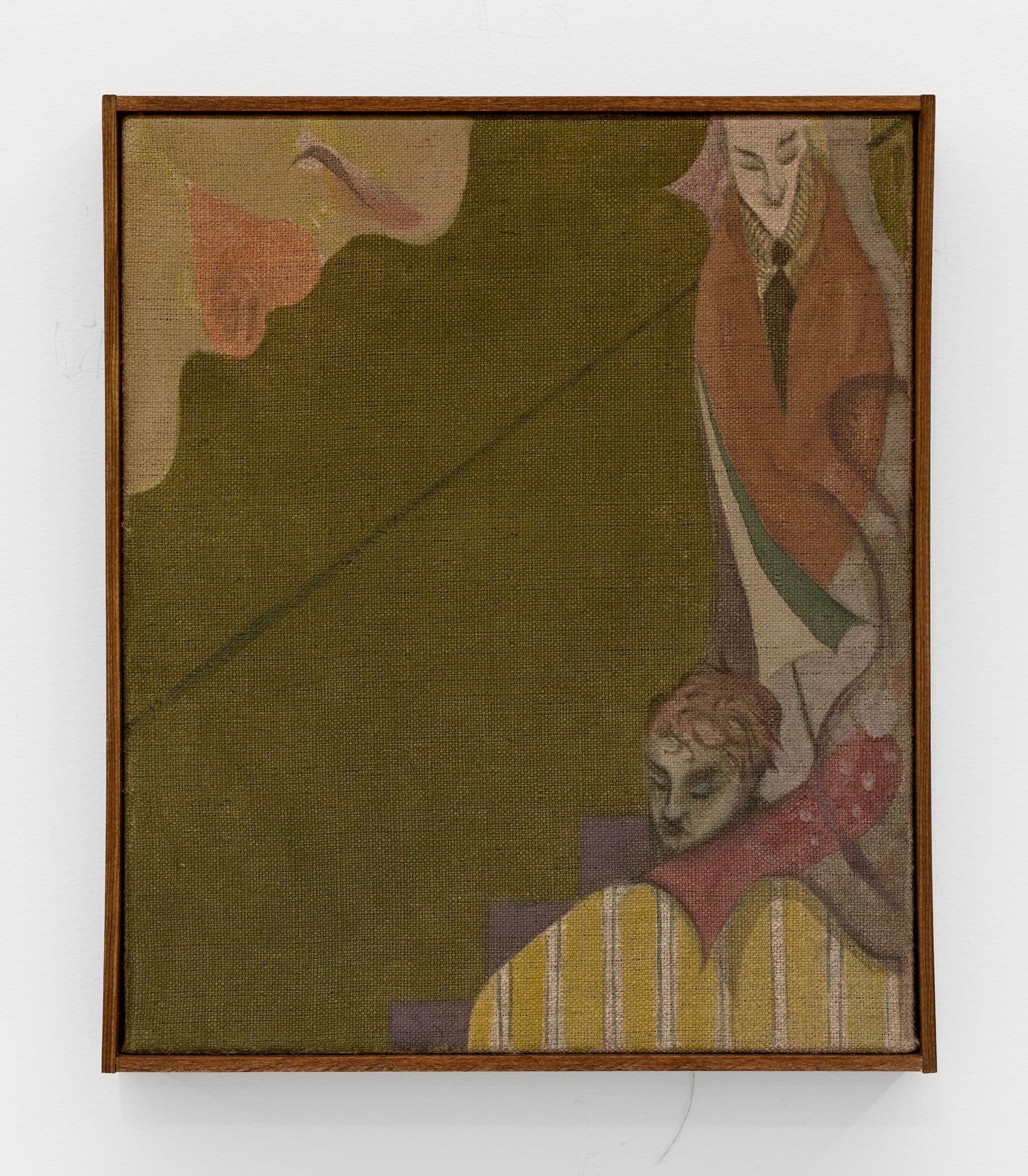
30 x 25 cm.
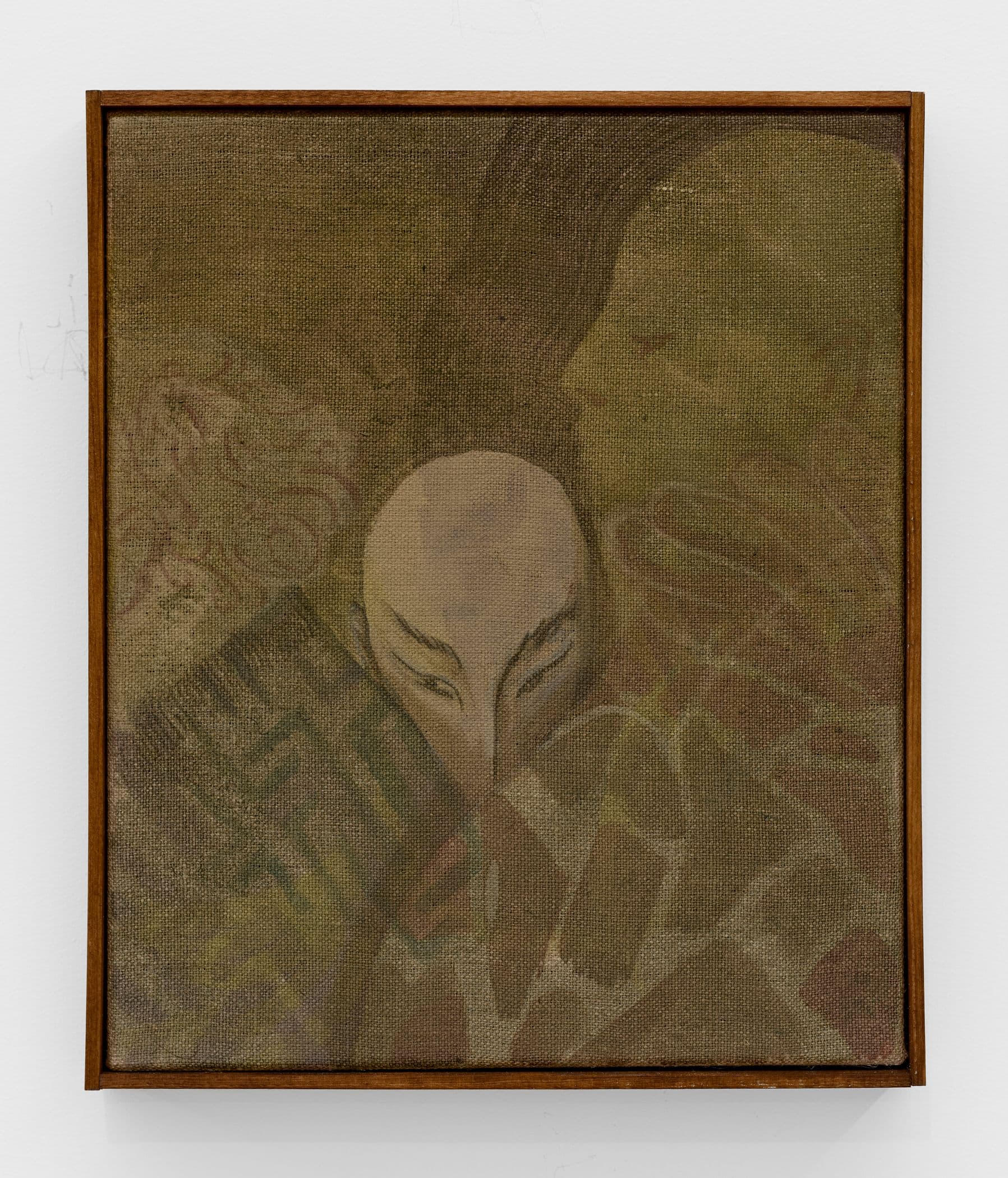
30 x 25 cm.
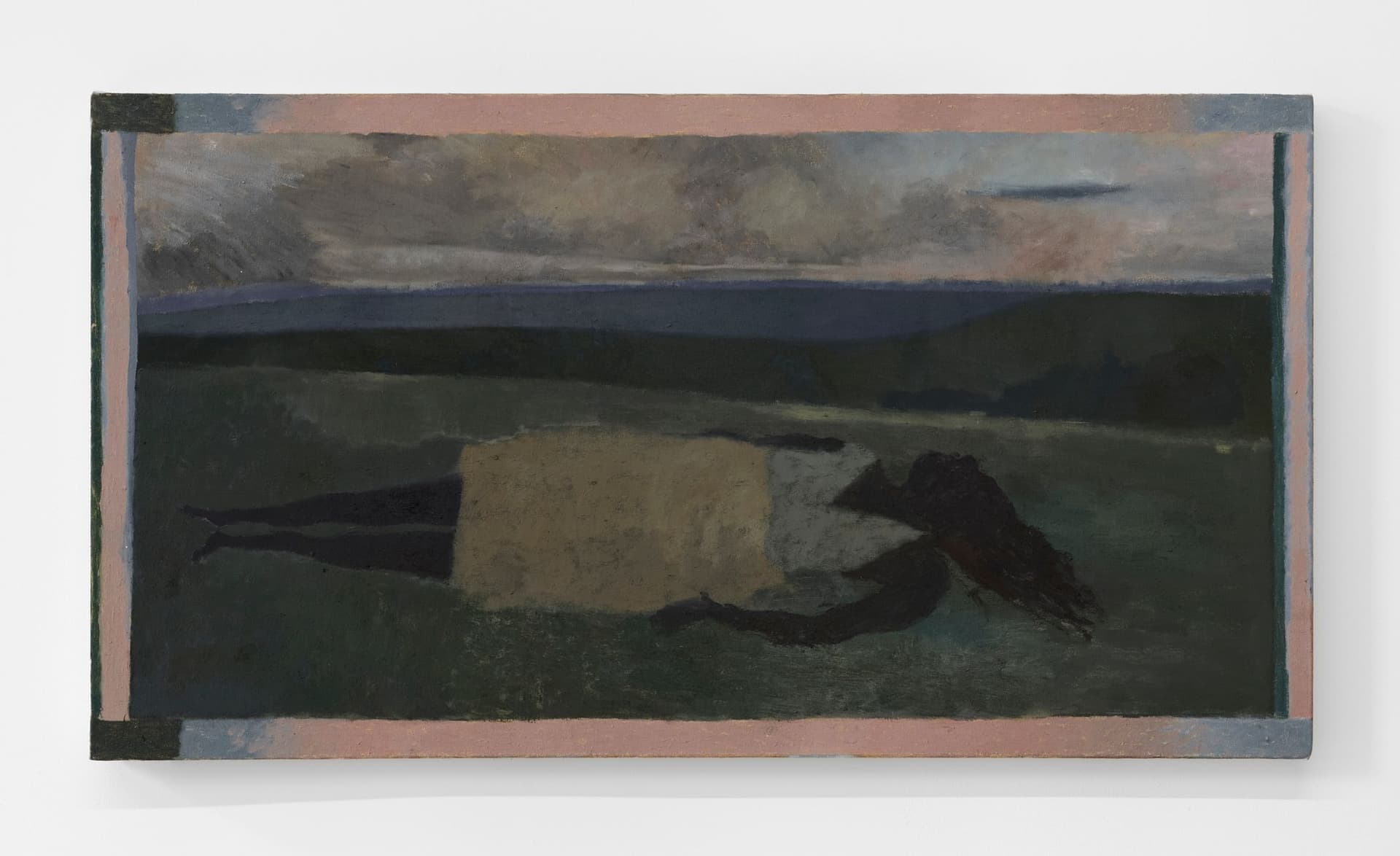
61 x 113 cm.